

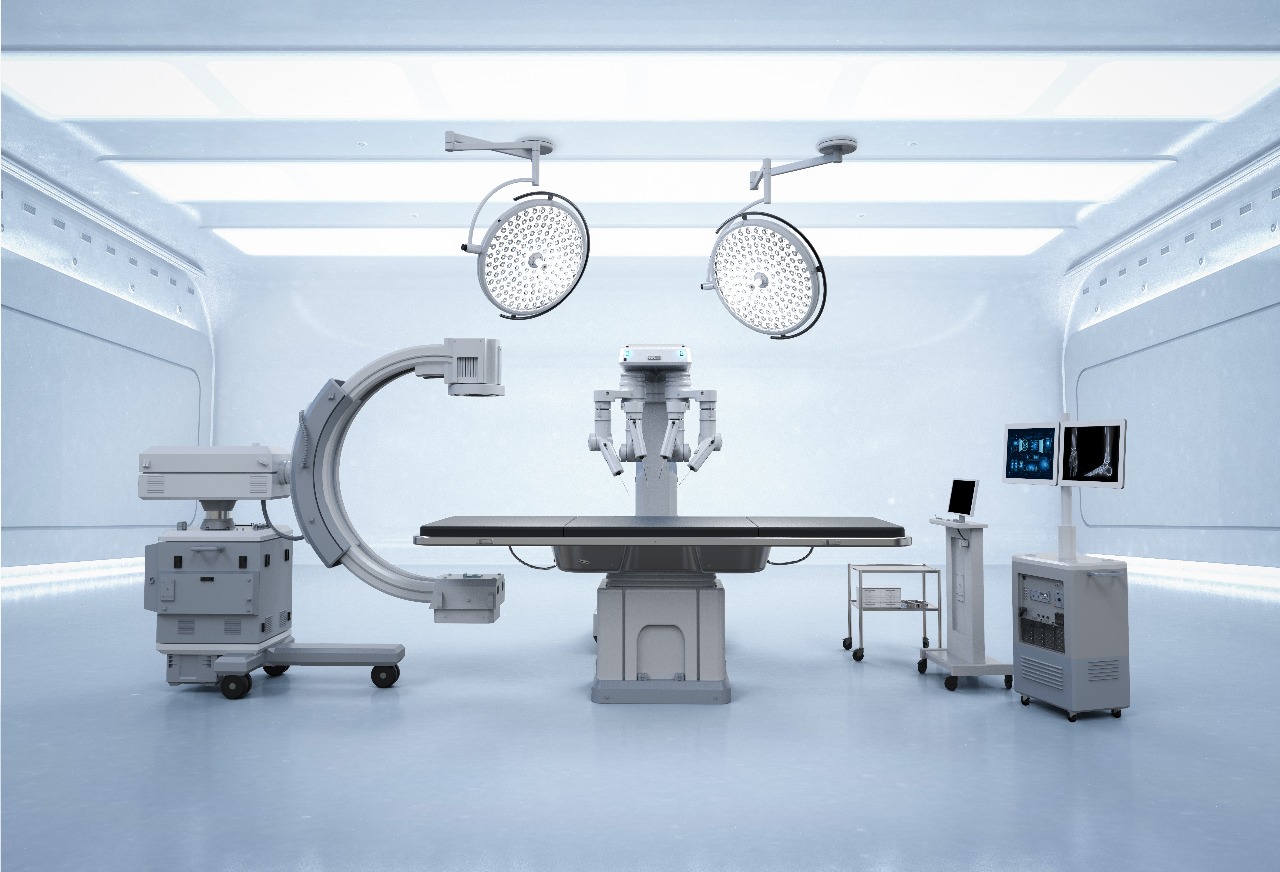
Over the past two decades, healthcare has been transformed. Patients are more knowledgeable, more engaged in the decision-making process, and more likely to seek therapies that offer benefits with lower risk. A trend we might hear more about over the next few years is the increasing demand for less invasive treatment methods in modern medicine. This has been propelled by interventional radiology, which is making giant strides in India.
These are becoming an entirely new way of treating many conditions, a safer alternative to conventional surgery, while still providing excellent clinical results.
Minimally invasive treatments use small incisions, ultrasound, CT angiography, and, in some cases, avoid a tiny surgical cut. All of these procedures generally rely heavily on real-time imaging (ultrasound, CT scan, or fluoroscopy) to accurately target the area and facilitate needle-injector placement.
In contrast, conventional surgery aims to treat the problem from the outside by damaging surrounding tissues. In contrast, minimally invasive procedures aim to treat the issue from within, causing minimal damage to surrounding tissues. Such ideation has now formed the foundation of Interventional Radiology in India and abroad.
In conclusion, the field of interventional radiology in India has been a key contributor to bringing more advanced minimally invasive care to larger parts of the Indian population. Everything from vascular diseases and treatment for or related to cancer, urology, various women’s health issues, and interventional radiology has a solution for problems that once required major surgery.
Now, with better technology, specialised training, and greater access to knowledge, patients are far less likely to accept their limitations and are seeking interventional options from the best interventional radiologist in India as a first line of treatment rather than a last resort.
Safety is the number one reason patients choose minimally invasive treatments. Less invasive procedures with smaller incisions carry a lower risk of infection, less blood loss, and fewer surgical complications. This lower risk can literally be a lifesaver for elderly patients or those with chronic conditions.
Typically, surgery necessitates days, if not weeks, of hospitalisation and recuperation. On the other hand, most “Minimally Invasive” procedures are performed on an outpatient basis. They can go home the same day or within 24 hours and resume normal activities much more quickly.
Faster recovery is another significant benefit for those in the workforce or with family responsibilities.
Post-procedural discomfort is significantly reduced because these treatments do not involve large incisions. Most patients need little to no pain medication and have minimal scarring, if any. It also alleviates emotional stress related to the surgery, thereby enhancing physical comfort.
Interventional radiology utilises imaging technology to deliver treatment with millimetre precision. That accuracy enables doctors to focus solely on where they need to, sparing healthy tissues and improving outcomes.
The reason for this level of accuracy is primarily due to one factor that has enabled interventional radiology in India to build trust among patients and referring physicians alike.
Minimally invasive treatments are utilised across a variety of medical specialities. Some common areas include:
But as technology advances, so too do the conditions that technology can treat.
Cost is another crucial issue that determines a patient’s choice. Minimally invasive approaches are typically less expensive because they result in shorter hospitalisations, lower complication rates, and shorter recovery times.
India, with its abundance of skilled specialists and advanced infrastructure, has made interventional radiology treatments cheaper than in most of the world, without compromising quality standards.
Patients today value personalised care. Minimally invasive treatments can be customised by clinicians based on anatomical factors, disease severity, and general health conditions. A tailored strategy helps deliver improved results and patient satisfaction.
Only the best interventional radiologist in India can evaluate, diagnose, and tailor your cancer treatment plan.
In addition to medical success, the end goal of any minimally invasive treatment is to restore quality of life. Accelerated recovery and reduced pain and emotional pressure help patients return to daily life with peace of mind.
For many, this translates to reduced anxiety, less disruption to their life, and an easier recovery — all from avoiding major surgery.
Both the technology and the specialist’s experience performing the procedure are crucial to the process. A clear and quick communication between the patients and the specialists is essential in making quick decisions that are critical to perform a safe procedure and to minimise the risk of complications An interventional radiologist in India not only needs to have the technical skills but also clinical skills, to have a complete clinical picture and then provide the appropriate treatment, which leads to a successful procedure.
Trust and transparency in healthcare decisions. Learning about accredited experience and a unique treatment philosophy is vital for patients before they select their specialist, and patients are becoming more discerning about whom they will place their trust.
It is evident, though, that the future of medicine is moving toward less invasive, more patient-focused solutions. Interventional radiology in India will continue to raise treatment standards in the future, driven by ongoing innovations in artificial intelligence and advanced imaging techniques.
In the future, patients will benefit from safer procedures, greater treatment choices, and even quicker recoveries.
Modern healthcare has definitely evolved with the advent of effective, minimally invasive treatment options, which produce less trauma and stress in our body, faster recovery and better quality of life. And as awareness increases, these advanced solutions are increasingly preferred by patients over traditional surgery.
If you are looking for an expert in minimally invasive care, you will be in trusted hands with patient-focused Gaurav Gangwani. He has clinical expertise that provides in-depth advisory. He continues to help the patient avail modern treatments in a safe, precise, and durable manner; recognised among the best interventional radiologist in India.
Dr. Gangwani Vascular Clinic, 302/TGN SQUARE 3rd floor Chandawarkar lane Borivali west Mumbai 400092
+91 9326195964
drgauravgangwani@gmail.com
Monday to Saturday: 8.30 am to 8.00 pm. For any quires & assistance please call on: +91 9082394787
Copyright 2026 – www.drgauravgangwani.com
Website Managed by SEO Discovery
WhatsApp us