

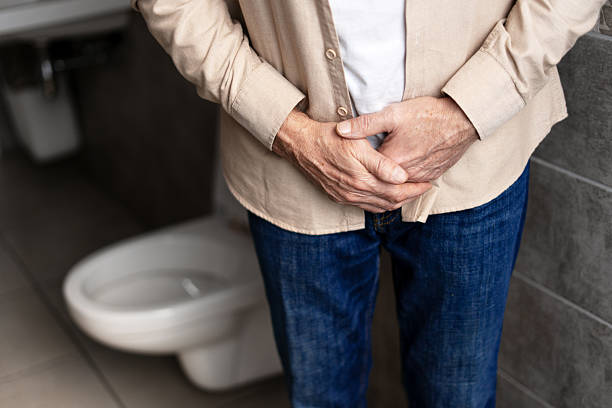
This blog investigates the biological triggers of Benign Prostatic Hyperplasia in seniors to facilitate early detection. It provides clinical insights for those seeking a prostate treatment doctor to manage urinary health and prevent long-term bladder complications.
Understanding what causes an enlarged prostate is the first step toward reclaiming your quality of life and avoiding a medical prostate treatment doctor intervention late in the game. Most men assume that a slowing stream is just a rite of passage, but the underlying cellular mechanics are far more aggressive than simple “wear and tear.”
According to Cancer: The Journal of the American Cancer Society, Benign Prostatic Hyperplasia (BPH) affects over 50% of Indian men by age 60. This prevalence rises sharply with age, reaching a staggering 70-80% in men over 70, making it one of the most common age-related conditions globally.
Ignoring these biological shifts is a professional risk to your long-term health. Delaying a diagnosis often results in chronic kidney strain, recurrent urinary tract infections, or a complete inability to void, turning a manageable condition into a surgical emergency.
The prostate is unique because it is one of the few organs that never stops growing in most men. Throughout your life, your body maintains a delicate balance between new cell production and old cell death, but as you age, this equilibrium fails. In older men, cells in the transition zone of the prostate begin to multiply at an accelerated rate. This isn’t just a “growth spurt”; it is a mechanical failure where the enlarging tissue begins to squeeze the urethra like a kink in a garden hose.
When the flow stops, the nightmare begins. Book A Call Now with Dr. Gaurav Gangwani to gain precision over your symptoms before they escalate.
Testosterone levels drop as you age, yet the prostate maintains high levels of Dihydrotestosterone (DHT). This potent hormone is derived from testosterone and is essential for prostate development during puberty, but in older age, it refuses to clock out. High DHT levels signal the prostate cells to keep dividing. It’s a relentless cycle. The body fails to clear the hormone effectively, leading to a crowded cellular environment that eventually chokes the urinary exit. It’s blunt, it’s biological, and it doesn’t care about your daily routine.
While men are primarily driven by androgens, they also produce small amounts of estrogen. As testosterone diminishes, the ratio of estrogen to testosterone increases. This “Estrogen Dominance” creates a fertile ground for prostate growth.
Consider “The DIY Disaster.” We frequently see patients who tried to manage their symptoms with over-the-counter herbal “prostate health” supplements found on social media. They spent months on saw palmetto and pumpkin seed oil while their bladder wall was thickening and scarring from the effort of pushing against an obstruction. By the time they reached a clinic, the damage was structural. Real-world results require clinical evidence, not marketing promises.
If your father or brother had a significant BPH diagnosis before age 60, your risk profile shifts dramatically. Genetics often dictates how sensitive your prostate cells are to hormonal triggers. You cannot out-run your DNA. However, you can manage the outcome.
| Feature | Normal Prostate | Enlarged Prostate (BPH) |
| Size | Walnut-sized | Lemon to Orange-sized |
| Urinary Flow | Strong, consistent | Hesitant, weak, or “stop-start” |
| Bladder Sensation | Empty after voiding | Always feels half-full |
| Nocturia | 0-1 times per night | 3+ times per night |
Shatter the cycle of interrupted sleep and urgent bathroom runs with a precision treatment plan. Don’t let a benign condition dictate your freedom. Book A Call Now with Dr. Gangwani’s Vascular Clinic.
No. BPH is benign, meaning it is not cancer and does not increase your risk of developing prostate cancer, though both conditions can exist simultaneously.
Can lifestyle changes shrink an enlarged prostate?
Diet and exercise help manage symptoms and overall inflammation, but they cannot physically shrink the overgrown tissue; for that, you need a specialist’s intervention.
When should I see a prostate treatment doctor for my symptoms?
You should consult a prostate treatment doctor the moment you notice yourself waking up more than twice a night or if you experience a “hesitant” start when trying to urinate.
Does BPH affect sexual function?
While BPH itself doesn’t cause erectile dysfunction, the two often coexist due to age, and some older medications for BPH can impact libido.
What is the most effective treatment for BPH today?
Treatments range from Alpha-blockers to minimally invasive procedures like UroLift or laser surgery, depending on the volume of the gland and the severity of the obstruction.
Understanding why a prostate enlarges is only useful if you act before the bladder wall loses its elasticity. Dr. Gaurav Gangwani implements clinical strategies that bypass the trial-and-error of home remedies. As a specialized prostate treatment doctor, he focuses on mechanical clearance of the obstruction to stop the cycle of nocturia and bathroom anxiety. Waiting for the symptoms to disappear on their own is a losing strategy. The goal is simple: resolve the blockage, protect the kidneys, and return to a normal routine without the constant disruption of a failing urinary system.
Take the first step toward relief and Book Now to schedule your consultation with Dr. Gangwani’s Vascular Clinic.
Dr. Gangwani Vascular Clinic, 302/TGN SQUARE 3rd floor Chandawarkar lane Borivali west Mumbai 400092
+91 9326195964
drgauravgangwani@gmail.com
Monday to Saturday: 8.30 am to 8.00 pm. For any quires & assistance please call on: +91 9082394787
Copyright 2026 – www.drgauravgangwani.com
Website Managed by SEO Discovery
WhatsApp us