
Regular physical exercise can help reduce varicose vein discomfort by improving blood circulation, strengthening leg muscles, and lowering swelling. Walking, swimming, cycling, stretching, and simple leg movements are some of the best exercises to support healthy veins and manage symptoms naturally.
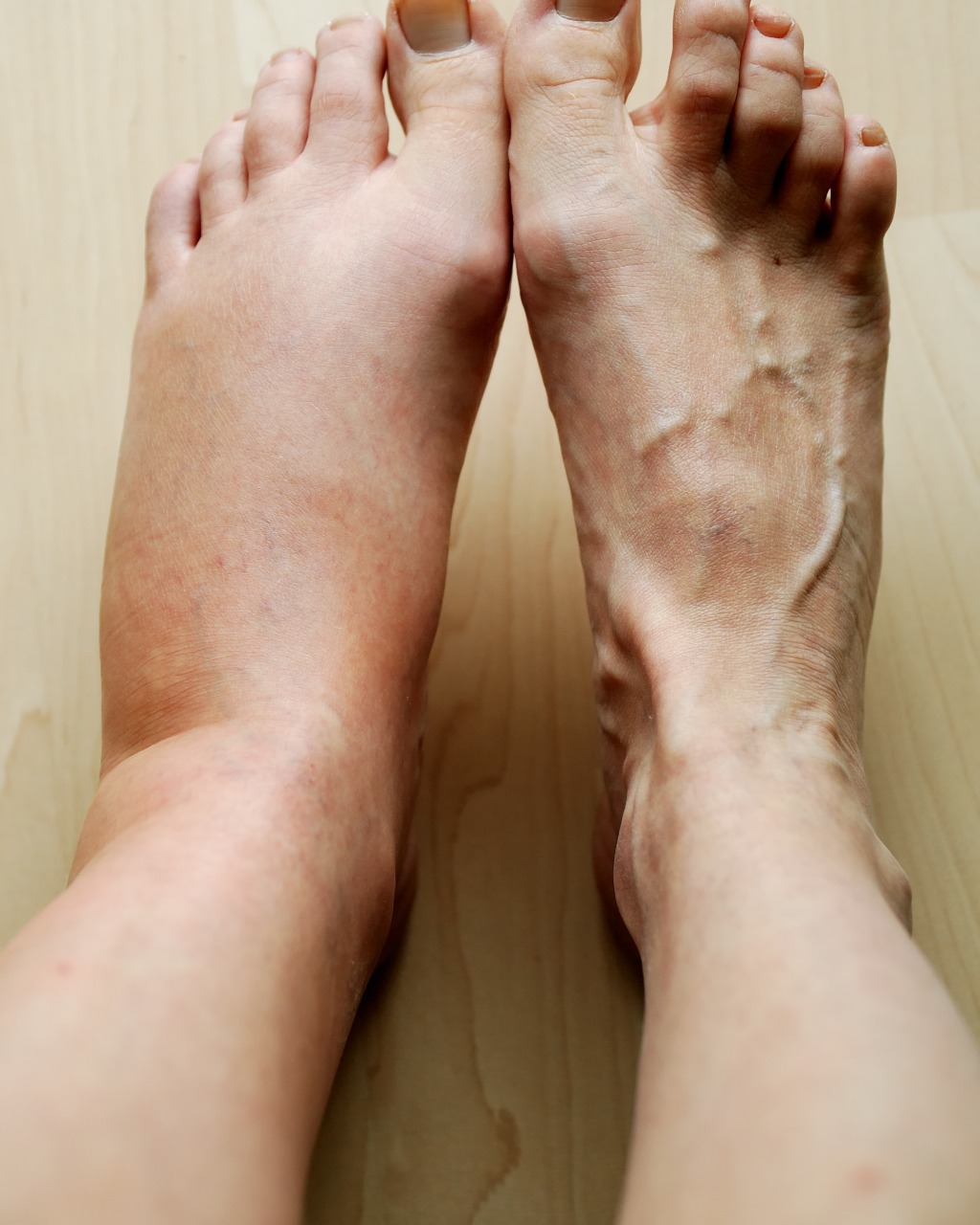
Varicose veins occur when leg veins struggle to move blood back to the heart, causing swelling, aching, heaviness, and visible veins. Regular exercise improves blood flow, strengthens leg muscles, and helps manage symptoms. While it cannot remove varicose veins completely, it can reduce discomfort and support better vein health.
Benefits of regular movement include:
Not every workout is suitable for people with vein problems. Low-impact exercises that improve circulation without putting excessive pressure on the legs are usually the most beneficial.
Walking is one of the best exercises for people with varicose veins because it is easy, safe, and does not require special equipment.
When you walk, your calf muscles contract and relax, helping push blood upward through the veins. This natural pumping action can reduce blood pooling in the legs.
Try to:
Even a short walk after meals or during work breaks can support better circulation.
Cycling is another effective low-impact activity that strengthens the legs while keeping pressure on the veins low.
Whether you use an outdoor bicycle or a stationary bike, cycling helps activate your calf and thigh muscles, which support better blood movement.
Benefits of cycling include:
Start with a comfortable pace and avoid pushing yourself if you notice increased pain or swelling.
Swimming is a great option for people who experience discomfort while standing or walking for long periods.
The water pressure helps support the legs and may help reduce swelling. It also allows you to exercise without putting stress on your joints and veins.
Swimming can help:
You can support your vein health without going to a gym. Simple exercises performed regularly can help keep your legs active and improve circulation.
Calf raises are useful because your calf muscles act as a natural pump for blood circulation.
How to perform:
Doing this exercise daily can help strengthen your lower leg muscles.
Ankle pumps are especially helpful for people who spend many hours sitting at a desk or traveling.
How to do it:
This simple exercise keeps your lower legs moving and may help prevent stiffness and swelling.
Although it is not a workout, raising your legs can help reduce pressure and support blood return.
Try this:
This can be especially helpful after standing for long periods.
Physical activity is beneficial, but some exercises may increase discomfort if they put too much pressure on the veins.
You may need to be careful with:
This does not mean you need to avoid all challenging activities. Instead, choose exercises based on your symptoms and comfort level.
If you experience increased pain, swelling, or unusual changes, it is better to seek professional advice.
Exercise becomes more effective when combined with healthy daily habits. Small changes can help improve circulation and reduce pressure on your legs.
Helpful habits include:
These habits can support your exercise routine and help manage common varicose vein symptoms.
While exercise can help manage varicose vein symptoms, some cases may need medical attention. Consult a vein specialist if you experience:
At Dr. Gangwani’s Vascular Clinic, patients receive expert evaluation and personalized guidance to understand their condition and find suitable treatment options for better vein health.
The best exercise routine is one that you can follow consistently. You do not need intense workouts to support your veins. Small daily movements can make a positive difference.
A simple routine may include:
Consistency is more important than intensity. Regular movement, combined with proper medical guidance when needed, can help reduce discomfort and support better leg health.
Support Your Vein Health Today
Regular exercise can help improve circulation, reduce swelling, and manage varicose vein symptoms. If discomfort continues, expert guidance can help you choose the right approach.
Visit Dr. Gangwani’s Vascular Clinic for a professional evaluation and personalized vein care solutions.
Yes, regular exercise can help improve circulation and reduce swelling and discomfort linked to varicose veins. Activities like walking, cycling, and swimming support better blood flow and strengthen leg muscles.
Walking is one of the best exercises because it is simple and helps activate the calf muscles. Swimming, cycling, stretching, and gentle leg exercises are also beneficial.
Most people can benefit from 20–30 minutes of moderate activity on most days. However, the ideal exercise routine depends on your symptoms and overall health.
Exercise can support healthy circulation and may help reduce factors that contribute to worsening symptoms. However, it cannot always prevent vein problems caused by genetics or damaged valves.
You should consider visiting a specialist if you have ongoing pain, swelling, skin changes, or veins that are affecting your daily routine. Professional evaluation can help determine the most suitable care plan for your condition.
Dr. Gangwani Vascular Clinic, 302/TGN SQUARE 3rd floor Chandawarkar lane Borivali west Mumbai 400092
+91 9326195964
drgauravgangwani@gmail.com
Monday to Saturday: 8.30 am to 8.00 pm. For any quires & assistance please call on: +91 9082394787
Copyright 2026 – www.drgauravgangwani.com
Website Managed by SEO Discovery
WhatsApp us