
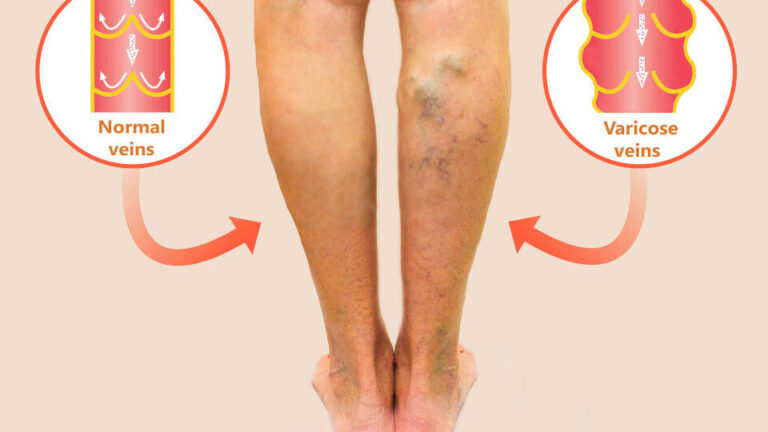
Many people notice tiny, web-like veins appearing on their legs or face. These are spider varicose veins, a very common vascular issue. They are small, damaged blood vessels visible beneath the skin’s surface. They usually appear in thin red, blue, or purple lines. They are usually a cosmetic concern. Sometimes they can cause discomfort. Women are four times more likely to get them than men. The risk increases with age. Over 41% of women older than 50 are affected by spider veins. Understanding these visible veins is the first step toward finding relief. You can consult Dr Gaurav for an expert diagnosis.
Spider veins and their larger counterparts, varicose veins, result from problems in your circulatory system. Veins have tiny one-way valves. These valves help push blood back up to the heart. They work against gravity. When these valves weaken or get damaged, blood can flow backwards. It then pools in the vein. This pooling causes the vein to swell. It becomes visible under the skin.
Several factors increase the odds of developing this condition.
Recognizing the Symptoms
For many people, the main symptom of spider varicose veins is their appearance. They look like a spider web or a tree branch. They are usually without any accompanying pain. Sometimes they can cause mild discomfort, especially in the legs.
Common symptoms you might experience include:
If you experience sudden swelling, redness, or warmth around a vein, consult a healthcare professional immediately.Diagnosis and Consulting a Varicose Veins Doctor Specialist
When dealing with visible veins and any associated discomfort, finding the right medical guidance is crucial. A physical exam is usually enough for a diagnosis. Your doctor may recommend a Duplex Ultrasound. This non-invasive test uses sound waves. It checks the blood flow and structure of your leg veins. It helps identify if the problem is cosmetic. It also shows if there is an underlying issue with a deeper, larger vein.
It is wise to consult a varicose veins specialist. This could be an Interventional Radiologist or a Vascular Surgeon. Dr. Gaurav Gangwani, is an expert Interventional Radiologist. He is known for accurate, non-surgical diagnosis. He is specifically trained to diagnose and treat vein disorders. Finding a good varicose veins doctor specialist ensures you receive the latest treatment options available.
Safe and Minimally Invasive Treatments
Modern medicine offers several safe and highly effective treatments for spider and varicose veins. This is good news. They are usually done as outpatient procedures. They have little to no downtime. Dr. Gangwani specializes in these cutting-edge, minimally invasive methods.
Home Care and Lifestyle Adjustments
Medical treatments are very effective. However, simple changes at home can greatly help manage symptoms. They can also prevent new veins from forming. These lifestyle adjustments are a great first line of defense.
Spider varicose veins are a very common issue. They do not have to be a lifelong problem. Healthy lifestyle choices and modern treatments offer great help. These options are safe and minimally invasive. They provide cosmetic improvement and relief from discomfort. If you have symptoms or worry about your veins, seek expert advice.
Dr. Gangwani is a prominent Interventional Radiologist and varicose veins doctor specialist. He has over 10 years of experience. He is known for pioneering non-surgical treatments in India. He specializes in minimally invasive vein procedures. He uses a pinhole access with local anesthesia for fast recovery. He is committed to patient-centric care.
Schedule a consultation today to know your treatment options!
1. Are spider varicose veins serious?
Usually, no. Spider varicose veins are mainly a cosmetic concern. They rarely cause major health issues. Still, they can signal deeper vein problems. A doctor’s checkup is always a good idea.
2. Can I prevent spider veins?
You can certainly reduce your risk. Focus on regular exercise. Maintain a healthy weight. Avoid sitting or standing for long periods. Elevating your legs also helps blood flow and circulation.
3. Does insurance cover the treatment?
It depends. If the treatment from a varicose veins doctor specialist is purely cosmetic, insurance may not cover it. Coverage is more likely if it is medically necessary due to pain or swelling. Check your specific policy.
4. How long does recovery take for common vein treatments?
Recovery is typically fast. Most minimally invasive treatments, like Sclerotherapy or laser, let you walk immediately. You can resume normal activities within one to two days.
Dr. Gangwani Vascular Clinic, 302/TGN SQUARE 3rd floor Chandawarkar lane Borivali west Mumbai 400092
+91 9326195964
drgauravgangwani@gmail.com
Monday to Saturday: 8.30 am to 8.00 pm. For any quires & assistance please call on: +91 9082394787
Copyright 2026 – www.drgauravgangwani.com
Website Managed by SEO Discovery
WhatsApp us