

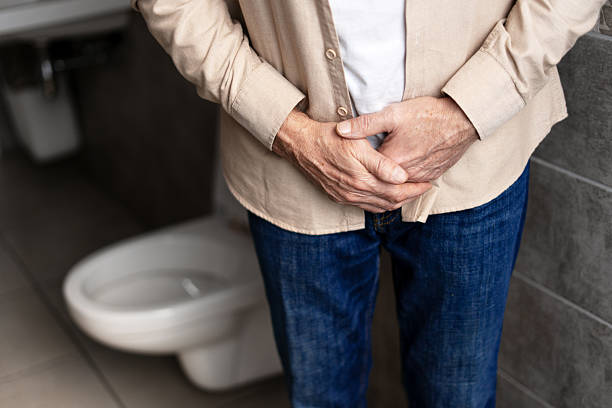
Why Am I Experiencing Frequent Urination and Pelvic Pain?
Millions of men across the world experience frequent urination and pain in the pelvic region, which interferes with lifestyle and sleeping habits. Based on scientific estimates, BPH occurs in 5 to 6 per cent of men between 40 and 64 years and 29 to 33 percent of men 65 and above, thus it is the most prevalent prostate issue in men over 50 years of age. The knowledge of prostate hyperplasia treatment and symptoms can guide individuals to seek proper treatment.
What Does Frequent Urination Mean?
Frequent urination is a condition whereby persons have the urge to urinate more frequently than usual. It may disrupt normal life and sleep, which impacts the quality of life and well-being. The definition of what is considered frequent may differ among people, but it may be excessive to urinate more than 8 times during a 24-hour period.
Causes of Frequent Urination in Men
In BPH patients, the prostate increases in size and bulges against the urethra, causing difficulty in urinating. Patients also have difficulty initiating the urine stream, weak urine, frequent urination at night, and incomplete bladder emptying.
Prostate inflammation commonly causes frequent urination, pain in the pelvic region and painful urination. Certain men may develop calcifications in the prostate, that is deposits that may lead to sustained symptoms. Prostate hyperplasia treatment allows the patient to control the symptoms and minimises the fresh deposits.
Bacterial penetration into the urinary tract causes inflammation, which results in UTIs. The symptoms include pain during urination, opaque or pungent urine, and pain in the lower abdomen.
One of the initial symptoms of type 1 and type 2 diabetes is frequent urination. An elevated blood sugar level causes the kidneys to produce more urine. Increased thirst, fatigue, blurred vision, and unexpected loss of weight are other symptoms of diabetes.
OAB is marked by an abrupt and untamed desire to urinate, which may cause frequent urination breaks. The reason could be excessive sensitivity of the bladder muscle. Although the direct cause of OAB is not always well known, it tends to increase with age.
Dr. Gangwani’s Vascular Clinic can help diagnose the underlying cause of frequent urination or related discomfort and provide effective and minimally invasive treatment options.
What Are the Complications of Untreated BPH?
Inability to empty your bladder means that there is a greater risk of urinary tract infection. Other severe issues can also occur, such as bladder stones, incontinence, blood in the urine, and failure to urinate (acute urinary retention). The final one, a sudden and total loss of urination, may be a serious medical emergency, and a person should visit the doctor as soon as possible.
Briefly, benign prostatic hyperplasia (BPH) may also cause damage to the bladder and kidneys in rare instances. It is more likely to happen if you have a family member, father, uncle, or brother with the same problem.
What Causes Pelvic Pain in Men?
Although the major victims of pelvic pain are women, men certainly can also experience pelvic pain. Naturally, the manifestation of pelvic pain in men differs vastly when compared to that in women, yet it is nonetheless fully manageable.
Men experiencing pelvic pain can experience any of the following: pain or burning resulting in urination, hesitancy, urgency or frequency of urination, abdominal pain, pain or tenderness of the groin or the lower back, pain or discomfort of the area between the scrotum and rectum (perineum), pain or discomfort of the penis or testicles, pain or discomfort of the ejaculations.
In the absence of an infection, tightness of your pelvic floor muscles can be the cause of your male pelvic pain. This tension can be relieved by pelvic floor therapy.
How Is Prostate Hyperplasia Treatment Managed?
Changes in lifestyle, such as physical activity, hydration, and decreasing caffeine intake, can bring relief. Laser therapy may be considered in case the deposits become larger. In severe cases, surgery may assist; this may include Transurethral Resection of the Prostate (TURP).
Methods such as laser therapy and microwave thermotherapy involve the use of specific energy to destroy deposits. Certain forms of calcifications may also be treated with shock wave lithotripsy. These solutions normally have reduced recovery times as opposed to conventional surgery.
Understanding Prostatic Artery Embolization
PAE is a low-pain, safe alternative to surgery, has quicker recovery, and has fewer risks. A fine catheter is placed either in the groin or the wrist and directed into the arteries that lead to the prostate. Minuscule medical particles are then discharged to clog these arteries. With time, the size of the prostate decreases, and symptoms of urine start to improve.
The majority of patients are discharged the same day and are able to resume normal functionality in a couple of days. The unique characteristics of PAE are that there are no incisions, no burning, no local anaesthesia, and nearly no sexual side effects.
Prostatic Artery Embolization Cost in India
PAE can vary based on the hospital or medical facility selected, the experience and training of the interventional radiologist, and the kind of cath lab employed.
The total prostatic artery embolization cost in India can be less or more expensive based on the size of the prostate, the complexities of the procedure, diagnostic tests, and any other treatment care.
Final Thoughts
India has presented new solutions and medical skills that would assist in managing benign prostatic hyperplasia effectively and improving the quality of life of the affected individuals. Modern methods such as prostate artery embolization are non-surgical procedures that offer effective relief.
In case of frequent urination and pelvic pain that interfere with normal life, an experienced interventional radiologist can provide solutions. Dr Gaurav Gangwani is an expert in minimally invasive surgeries, such as PAE, that allow patients to feel better without the dangers of having a conventional operation.
Borivali, Mumbai. India
+91 9326195964
drgauravgangwani@gmail.com
www.drgauravgangwani.com
Monday to Saturday: 8.30 am to 8.00 pm. For any quires & assistance please call on: +91 9326195964
WhatsApp us