

This blog answers whether uterine fibroids can be treated without surgery, explains which cases actually need an operation, and covers what uterine artery embolization looks like as a non-surgical alternative available in India.
When a gynaecologist says “fibroids,” most women hear “surgery” almost immediately after, and that’s partly because for a long time, surgical removal of fibroids or the entire uterus was the standard answer. But medicine has moved on, and a growing number of women in India are learning that their fibroids can be treated without an operation, without general anaesthesia, and without losing their uterus in the process. This blog gets into what those options actually look like and who they’re best suited for.
Fibroids are the most common benign tumours found in women, occurring in 20% to 40% of women during childbearing age. More than half of those women never develop symptoms, which means they may never need treatment at all. But for those who do get heavy bleeding, pelvic pressure, pain, or fertility issues, the question of how to treat fibroids without going through major surgery is a real and pressing one.
Choosing a hysterectomy when a non-surgical option could have worked means giving up your uterus permanently and going through weeks of recovery that might not have been necessary.
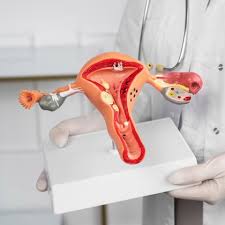
Uterine fibroids are non-cancerous growths of muscle and fibrous tissue that develop in or on the uterus, ranging from tiny nodules to large masses that press on surrounding organs. Oestrogen and progesterone drive their growth, and family history, obesity, and vitamin D deficiency all raise the risk.
Many women mistake these for routine period discomfort, which delays diagnosis by months or even years.
For mild symptoms, doctors often prescribe hormonal therapy to manage bleeding and slow fibroid growth, along with pain relievers and iron supplements for anaemia. These medications don’t eliminate fibroids, and symptoms typically return once the medication stops, but they buy time and provide relief while you weigh your longer-term options.
Twenty years ago, the only real answer for fibroids was surgery. That’s no longer true. Uterine artery embolization works by threading a thin catheter through a pinhole in the wrist, navigating it to the arteries that feed the fibroids, and injecting tiny particles that choke off their blood supply. Without blood flow, the fibroids starve, shrink, and the symptoms ease off over the following weeks.
It handles every fibroid in the uterus at once, no matter the size or how many there are. The uterus stays. There’s no scar, no general anaesthesia, and you’re typically home the same day. Symptom relief rates in published studies range from 85% to 97%.
Dr. Gaurav Gangwani in Mumbai does this through the wrist rather than the groin, paired with a nerve block that keeps post-procedure discomfort noticeably lower than older approaches.
Not every fibroid can be treated with embolization, and being honest about that matters. Surgery is typically recommended when fibroids are submucosal (growing into the uterine cavity) and causing infertility, when a woman has completed her family and wants definitive treatment, when fibroids are extremely large and causing organ compression, or when symptoms haven’t responded to any other approach.
Even in surgical cases, myomectomy (removing fibroids while preserving the uterus) is often possible instead of a full hysterectomy, particularly for women who want to have children in the future.
In most cases, yes. Uterine artery embolization shrinks fibroids by blocking their blood supply, and the uterus stays intact. For women who want to preserve their fertility or simply don’t want a hysterectomy, this is a well-established alternative with over 20 years of clinical use behind it.
2. How long does recovery take after fibroid embolization?
You’re home within a day. The first 24 to 48 hours involve cramping that’s managed with painkillers, and most women feel well enough to get back to regular life within 3 to 7 days. Compare that to open surgery, where you’re looking at a month or more before things feel normal again.
3. Will fibroids grow back after embolization?
The fibroids that were treated don’t come back because their blood supply is gone for good. They keep shrinking over the following months. Can new ones form? Occasionally, but it happens far less often than after a myomectomy.
4. Can I get pregnant after uterine fibroid embolization?
Many women have had successful pregnancies after the procedure, though it’s typically recommended for women who aren’t planning pregnancy in the immediate future. If fertility is your primary concern, discuss your options with both your gynaecologist and an interventional radiologist to decide the best approach.
5. How do I know if my fibroids need treatment at all?
If your fibroids aren’t causing symptoms, they usually don’t need treatment. Regular monitoring with ultrasound is enough. Treatment becomes necessary when fibroids cause heavy bleeding, pain, pressure symptoms, or fertility problems that affect your quality of life.
For too many women in India, fibroids still end in a conversation about removing the uterus, often without anyone mentioning that a non-surgical option with a 90%+ success rate exists. That’s starting to change, but slowly. Dr. Gaurav Gangwani is one of Mumbai’s leading interventional radiologists, performing uterine fibroid embolization through the wrist under local anaesthesia at his clinic in Borivali, with same-day discharge and no visible scarring.
Dr. Gangwani Vascular Clinic, 302/TGN SQUARE 3rd floor Chandawarkar lane Borivali west Mumbai 400092
+91 9326195964
drgauravgangwani@gmail.com
Monday to Saturday: 8.30 am to 8.00 pm. For any quires & assistance please call on: +91 9082394787
Copyright 2026 – www.drgauravgangwani.com
Website Managed by SEO Discovery
WhatsApp us