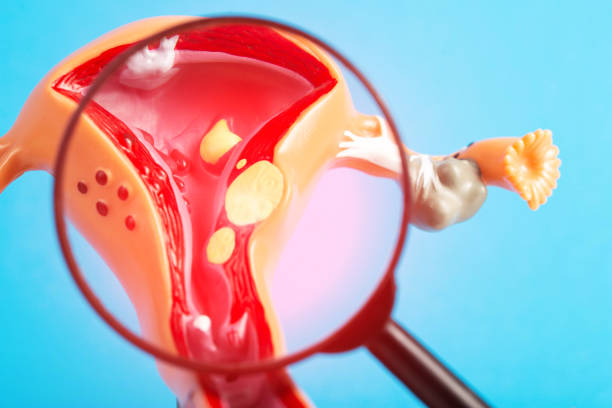
Dealing with uterine fibroids? You’re not alone. These harmless growths pop up in many women’s uteruses, ranging from tiny specks to masses big enough to make you look pregnant. Some women have them without realizing it, but others face exhausting symptoms—soaking through pads every hour, feeling constant pressure down below, rushing to the toilet constantly, or struggling to conceive.
Here’s some encouraging news: you don’t have to lose your uterus anymore. Modern medicine has given us several ways to handle fibroids, and many doctors agree the Best Treatment Options for Large Fibroids involves newer procedures that work without major surgery. One approach gaining real traction is Uterine artery embolization for fibroids—a technique that helps women feel better without going under the knife.
What Exactly Are These Fibroids?
Fibroids are basically balls of muscle and tissue that grow inside your uterus. They’re not cancerous, but where they grow determines what trouble they cause.
Got fibroids growing just under your uterine lining? Those are submucosal fibroids, and they’re usually why your periods are so heavy. The ones buried in your uterine wall—intramural fibroids—make your uterus swell up. Then there are subserosal fibroids that stick out from your uterus and squeeze your bladder or bowel, which explains those endless bathroom runs.
What triggers them? Your hormones, especially estrogen and progesterone, seem to make them grow. That’s why they show up during your childbearing years and usually shrink once menopause hits, and your hormones drop off. Your family tree plays a part too—if your mom or sister had them, you’re more likely to develop them.
Fibroids come in wildly different sizes. Some are barely visible dots, while others balloon to the size of a grapefruit or even bigger. You might have just one sitting there, or your uterus could be hosting dozens. How much they bother you depends on their size, number, and exactly where they’ve set up shop.
Breaking Down Uterine artery embolization for fibroids
works on a clever idea: starve the fibroids. They need blood to survive, so if you cut off their supply, they shrivel up naturally.
Here’s what happens: a radiologist makes a tiny nick in your groin and slides a super-thin tube through an artery. Using X-rays to see where they’re going, they guide this tube right to the blood vessels feeding your fibroids. Then they release thousands of microscopic particles—think grains of sand—that flow into those vessels and get stuck there for good.
No more blood flow means your fibroids start dying off and shrinking over the next few weeks. Meanwhile, your healthy uterine tissue gets blood from other routes and stays just fine.
What’s neat about best uterine artery embolization is how targeted it is. Fibroid tissue has a different blood vessel setup than normal tissue, so those tiny particles mostly affect the fibroids and leave the healthy stuff alone.
The whole thing takes about an hour to ninety minutes. You’ll get sedation and numbing medicine, so you’re awake but relaxed. Some women feel warmth or light cramping when the particles go in, but real pain during the procedure is rare.
Why This Works Great for Big Fibroids
When you’re weighing options, you want something that works, gets you back on your feet quickly, keeps your uterus, doesn’t wreck your fertility, and stays safe. The best treatment for large fibroids needs to check all those boxes.
UAE has some serious perks. The incision is tiny—smaller than a pencil eraser—so it heals fast and barely leaves a mark. Compare that to traditional surgery where they make big cuts across your belly that leave noticeable scars.
You bounce back quickly too. Most women go home the next day. Yeah, you’ll have cramping for a few days that you’ll manage with painkillers, but it usually fades within a week. Lots of women are back at their desks in 7-10 days. Traditional surgery? You’re looking at 4-6 weeks before you feel normal again.
The numbers are solid. Research shows about 85-90% of women feel significantly better after UAE. Heavy bleeding drops dramatically—sometimes as early as your next period. Those annoying bulk symptoms like pelvic pressure and constant peeing ease up as your fibroids shrink down.
Another big plus: UAE handles multiple fibroids at once. Doesn’t matter if you have five or fifty, or where they’re hiding—one treatment gets them all. Cutting out multiple fibroids surgically gets complicated fast and might need more than one operation.
What Recovery Looks Like
Right after the procedure, you’ll chill in recovery while nurses keep tabs on you and help with any pain. Cramping is standard since your fibroids are losing their blood supply.
Some women get what doctors call post-embolization syndrome in the first week—a low fever, feeling wiped out, some queasiness, and pelvic achiness. It’s just your body reacting to the fibroids breaking down. Usually clears up in 5-7 days.
Your first period afterward might be heavier as your uterus clears out the dying tissue. Don’t freak out—that’s normal. After that, your cycles typically get way lighter with less cramping.
Fibroids don’t shrink overnight. You’ll see the biggest change in three to six months, though they might keep getting smaller for up to a year. Most shrink by 40-75% of their original size. The bigger ones often show even more dramatic results.
You’ll have follow-up visits with ultrasounds or MRIs to check how things are healing. Most doctors want to see you at one month, three months, and six months after your procedure.
Does It Actually Last?
You want lasting relief, not just a quick fix. The best treatment for large fibroids should keep working long-term. UAE has shown solid results in studies tracking women for five years and beyond.
About 75-80% of women are still happy with their UAE results five years down the road. Sometimes symptoms creep back—usually because the initial treatment missed something or new fibroids developed. But symptoms come back less often with UAE than with myomectomy, where new fibroids pop up regularly.
The life improvements go way beyond just physical symptoms. Women talk about feeling happier, doing better at work, and enjoying better relationships. Being able to hit the gym without worry, wear jeans that fit, and travel without panicking about bleeding through—that stuff matters.
Patient happiness with best uterine artery embolization stays consistently high in study after study. It works well, it’s not super invasive, you recover fast, and you keep your uterus—basically everything most women want.
What About Other Treatments?
You’ve got options. Medications like hormonal treatments can temporarily shrink fibroids and ease symptoms. But pills rarely fix large fibroids permanently, and problems usually come roaring back when you stop taking them.
Myomectomy is surgery that cuts out fibroids but leaves your uterus. It needs general anaesthesia, takes longer to recover from, and comes with risks like heavy bleeding.
Hysterectomy takes out your whole uterus, which permanently solves the fibroid problem. If you’re done having kids and want absolute certainty, maybe that works. But you can’t undo it, your periods stop, you can’t get pregnant, and recovery takes a while.
Newer methods using radiofrequency waves or focused ultrasound can zap fibroid tissue without cutting. They work okay for smaller fibroids but often don’t handle large ones as well.
UAE offers a real middle ground—more effective than pills, less invasive than going under the knife, and powerful enough to handle even substantial fibroids without removing your uterus.
Finding the Right Doctor
UAE delivers the best results when performed by an experienced interventional radiologist. These physicians specialize in catheter-based procedures guided by medical imaging.
Ask potential doctors about their UAE experience. How many have they done? What’s their track record with complications? What kind of results do their patients see? Doctors who do UAE regularly get better at the technical stuff and handle any hiccups more smoothly.
Good equipment helps too. Modern imaging systems let them guide the catheter precisely while keeping radiation exposure low.
Making an Informed Decision
Women struggling with large fibroids have way more choices now than their mothers did. You can tackle even big fibroids without major surgery. The best treatment for large fibroids depends on your situation—what your fibroids look like, how bad your symptoms are, whether you want kids someday, and what feels right to you.
Uterine artery embolization brings together effectiveness, safety, and convenience in one package. It shrinks multiple fibroids at once, preserves your reproductive organs, and gets you back to normal life fast. Talk to an experienced interventional radiologist who specializes in treating fibroids to figure out if UAE makes sense for you. Real relief from frustrating fibroid symptoms is possible for most women today.