

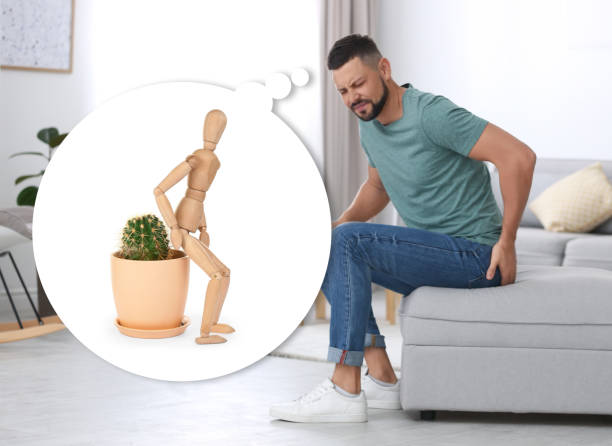
Hemorrhoids, typically called piles, plague millions of people globally, bringing pain, discomfort, and embarrassment. While surgery used to be the go-to solution for most severe cases, modern medicine offers many effective piles (hemorrhoids) treatment without surgery options that will not only provide gratifying relief but can also cure your piles entirely. Knowing about these non surgical treatment for piles options will help you avoid invasive surgery while still providing you a gratifying and lasting result!
Piles refer to marked swelling of blood vessels around the rectal, anal area producing symptoms such as bleeding, itching, and pain. Piles are classified into four grades. Piles typically classified as grades 1-3 typically respond well to conservative treatment.The key to successful piles treatment without surgery lies in early intervention and consistent application of proven methods..
Most piles cases, especially early forms, can be managed non-invasively. These treatments can remedy symptoms and treat the underlying causes, which can prevent issues from returning, not to mention improve quality of life.
The most fundamental non surgical treatment for piles begins with dietary changes. A high-fiber diet forms the basis of conservative management. It promotes soft stool and decreases straining, resulting in decreased pain during bowel movements. Incorporating 25-35 grams of fiber per day by eating fruits, vegetables, whole grains, and legumes into your diet should significantly reduce the symptoms of piles. Foods that are particularly beneficial for piles include apples, pears, broccoli, beans, and oats. To help maintain soft, easy stools, make sure to drink at least 8-10 glasses of water daily.
There are foods you should limit or avoid like processed foods, spicy foods, alcohol, and caffeine, which may increase inflammation and can further constipation. This dietary approach represents one of the most effective and sustainable forms of piles treatment without surgery.
Beyond diet, specific lifestyle changes form a crucial component of non surgical treatment for piles. Regular exercise enhances circulation and reduces constipation: two significant contributors to piles development. Even just 30 minutes of moderate exercise on most days (such as walking) can help.
Equally important are bathroom habits. Avoid sitting long on the toilet, respond to the urge to defecate without delay, and never strain during bowel movements. These already effective practices will help prevent existing piles from getting worse and keep new piles from forming.
Establishing a bowel routine is equally important. This can often be supported through drinking warm liquids in the morning and allowing yourself adequate time for the natural process to occur, avoiding unnecessary stress to the anal area.
Several topical options can be an effective piles treatment without surgery for symptom management and healing. Over-the-counter hemorrhoid creams contain active ingredients like hydrocortisone, witch hazel, or lidocaine, which can quickly relieve itching, pain, and inflammation.
Natural remedies are another potential option. Applying a cold compress to the anal area for 10-15 minutes multiple times per day may help relieve swelling and numb pain, while taking warm sitz baths where you soak the anal area in warm (not hot) water for 15-20 minutes might help increase blood flow, promoting healing.
Aloe vera gel can be applied topically because it is anti-inflammatory and will assist in reducing irritation. Witch hazel has a variety of products from which to choose, including pads and liquid. It has good astringent properties that will help reduce swollen tissues.
When conservative measures aren’t sufficient, several medical non surgical treatments for piles options are available. Rubber band ligation involves placing small rubber bands around the base of internal hemorrhoids, cutting off blood supply and causing them to shrink and fall off within a week.
Sclerotherapy involves injecting a chemical solution into the hemorrhoid tissue, causing it to shrink. This procedure is particularly effective for smaller internal hemorrhoids and can be performed in a doctor’s office without anesthesia.
Infrared coagulation uses heat to create scar tissue, which cuts off blood supply to the hemorrhoid. This minimally invasive procedure typically requires multiple sessions but offers good results with minimal discomfort.
Several herbal remedies and supplements support piles treatment without surgery. Horse chestnut extract has been studied for its ability to strengthen blood vessel walls and reduce inflammation. Butcher’s broom, another herbal remedy, may help improve circulation and reduce swelling.
Fiber supplements, particularly psyllium husk, can be beneficial for those struggling to get adequate dietary fiber. These supplements help create bulkier, softer stools that are easier to pass without straining.
Flavonoids, found in citrus fruits and available as supplements, have shown promise in reducing bleeding and pain associated with hemorrhoids. However, it’s important to consult with a healthcare provider before starting any new supplement regimen.
The most effective non surgical treatment for piles is prevention. Maintaining a healthy weight reduces pressure on the pelvic blood vessels. Avoiding prolonged sitting or standing, taking regular breaks to move around, and using proper lifting techniques can prevent increased abdominal pressure that contributes to piles development.
Pregnancy-related piles, common due to increased pressure and hormonal changes, can often be managed through gentle exercise, proper nutrition, and avoiding constipation. Kegel exercises, which strengthen pelvic floor muscles, may also help prevent and treat mild cases.
While many cases respond well to piles treatment without surgery, certain situations require medical evaluation. Persistent bleeding, severe pain, or symptoms that don’t improve after several weeks of conservative treatment warrant professional assessment.
Additionally, if you experience significant changes in bowel habits, unexplained weight loss, or severe anemia alongside piles symptoms, it’s crucial to consult a healthcare provider to rule out other conditions.
Piles treatment without surgery offers hope and effective relief for millions of sufferers. Through a comprehensive approach combining dietary modifications, lifestyle changes, topical treatments, and when necessary, minimally invasive medical procedures, most people can achieve significant improvement in their symptoms.
The key to successful non surgical treatment for piles lies in early intervention, consistency in applying treatment methods, and patience as the body heals. By understanding and implementing these evidence-based approaches, you can take control of your condition and enjoy improved comfort and quality of life without the need for surgical intervention.
Remember that while these treatments are generally safe and effective, consulting with a healthcare provider ensures you receive personalized care appropriate for your specific situation and severity of symptoms.
Borivali, Mumbai. India
+91 9326195964
drgauravgangwani@gmail.com
www.drgauravgangwani.com
Monday to Saturday: 8.30 am to 8.00 pm. For any quires & assistance please call on: +91 9326195964
WhatsApp us