

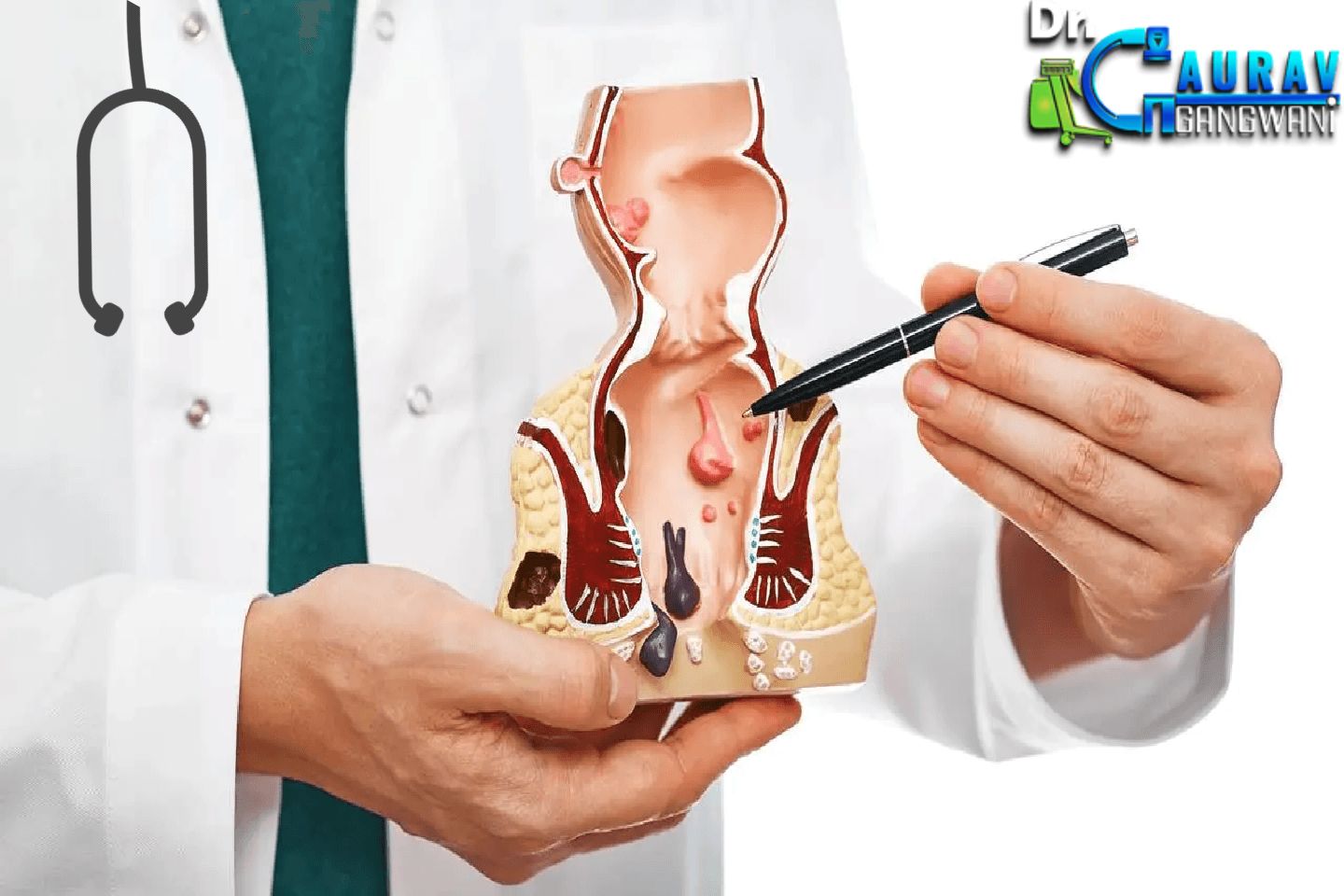
This blog explains when surgery for piles is actually needed, which grades respond to non-surgical treatment, and why most patients jump to surgery before exploring safer options.
The moment someone hears “piles,” surgery is usually the first word that follows, and that assumption is so deeply ingrained in India that most people never stop to question it. What rarely gets explained early on is that the vast majority of cases don’t require an operation at all, and understanding the difference can save you a lot of unnecessary pain.
The Association of Colon and Rectal Surgeons of India estimates that roughly 50% of the population will develop piles by age 50, with about 5% experiencing active symptoms at any given time. Those are significant numbers, but what gets lost in the conversation is that only a small percentage of those people actually need to go anywhere near an operating theatre.
If you jump straight to surgery without properly assessing your condition’s severity, you risk weeks of painful recovery for a problem that could have been resolved with dietary changes or a 15-minute outpatient procedure.
Piles fall into four grades, and the treatment that makes sense depends almost entirely on which grade you’re dealing with.
| Grade | What’s Happening | Surgery Needed? |
| I | Slight swelling, occasional bleeding | Almost never |
| II | Prolapse during straining but retracts on its own | Rarely |
| III | Prolapse that needs manual pushing back | Sometimes |
| IV | Permanently prolapsed, can’t be reduced | Usually |
Grade I and II account for the bulk of cases, and these respond well to dietary adjustments, topical medication, and office procedures like rubber band ligation, with published success rates between 85% and 100%. Grade III gets more individual, with some patients managing conservatively and others needing intervention. Grade IV almost always requires a procedure, though newer techniques have made traditional open surgery far less common.
There’s a reason piles go untreated for so long in India, and it has more to do with embarrassment than access to care. Research consistently shows that patients wait 6 to 12 months after symptoms appear before talking to a doctor, and by that point a manageable Grade I or II condition has often progressed to Grade III, where the window for conservative treatment is much narrower.
On top of the delay, most people genuinely don’t know that piles can be treated without surgery.The first-line approach should always be conservative management, including more dietary fibre, proper hydration, stool softeners, and topical medication. If those measures aren’t enough, office-based procedures like sclerotherapy or infrared coagulation are the next step, well before anyone should be discussing an operation.
For Grade I and early Grade II, conservative care often resolves the problem entirely: eating more fibre through fruits, vegetables, and whole grains, staying hydrated with 2 to 3 litres of water daily, avoiding straining, and using prescribed medication including flavonoid-based tablets that strengthen the vein walls from inside.
When lifestyle changes alone aren’t enough, outpatient procedures like rubber band ligation and sclerotherapy can treat piles without any incision, without general anaesthesia, and with recovery measured in hours rather than weeks. Dr. Gaurav Gangwani, an interventional radiologist in Mumbai, takes this further by using minimally invasive techniques that target the blood supply feeding the haemorrhoidal tissue, shrinking the piles without open surgery or scarring, with most patients back to their routine within a day or two.
Surgery is genuinely the right call for Grade IV piles that are permanently prolapsed, thrombosed external piles causing severe pain, significant bleeding that hasn’t responded to other treatments, and recurrent prolapse after failed non-surgical attempts. Even in those cases, techniques like stapled haemorrhoidopexy offer a far less invasive experience than traditional open surgery, with faster recovery and recurrence rates between 1% and 8%. The point isn’t that surgery is bad, but that it should come after everything else has been properly tried.
In most cases, yes. Grade I and II piles frequently resolve with dietary changes, hydration, and medication, and even some Grade III cases respond to office-based procedures rather than surgery, especially when caught before the prolapse becomes too large.
Your doctor determines the grade through a clinical examination, sometimes supported by a proctoscopy, based on whether the piles prolapse at all, whether they retract on their own, or whether they stay out permanently.
For early-stage piles, success rates run between 85% and 100%. The long-term outcome depends on maintaining the dietary and lifestyle changes that resolved the problem in the first place, because without sustained effort on fibre and hydration, recurrence is possible with any treatment method.
A proctologist, general surgeon with minimally invasive experience, or an interventional radiologist like Dr. Gaurav Gangwani in Mumbai, who treats patients under local anaesthesia on a same-day discharge basis using interventional radiology techniques.
For the majority of people dealing with piles, surgery isn’t the answer and shouldn’t be the starting point. The right approach begins with an accurate grade assessment and a specialist who prioritises the least invasive option that will actually fix the problem.
Dr. Gaurav Gangwani is one of Mumbai’s leading interventional radiologists, offeringnon-surgical piles treatment alongside care for varicose veins, varicocele, and thyroid nodules at his clinic in Borivali.
Dr. Gangwani Vascular Clinic, 302/TGN SQUARE 3rd floor Chandawarkar lane Borivali west Mumbai 400092
+91 9326195964
drgauravgangwani@gmail.com
Monday to Saturday: 8.30 am to 8.00 pm. For any quires & assistance please call on: +91 9082394787
Copyright 2026 – www.drgauravgangwani.com
Website Managed by SEO Discovery
WhatsApp us