
This blog explains what bulging leg veins actually mean, when they signal a condition that needs medical attention, and what modern non-surgical treatments look like for people in India dealing with varicose veins.
You’ve noticed a vein on your calf or thigh that wasn’t there a year ago, raised, twisted, and visible through the skin. Maybe it aches after a long day, or maybe it doesn’t bother you yet. This blog walks you through how to tell the difference between a vein that’s harmless and one that’s warning you about a deeper problem.
The Cleveland Clinic puts the number at about 1 in 3 adults dealing with varicose veins, which makes it far more common than most people assume. India sees similar patterns, driven largely by jobs that involve standing or sitting for hours, rising obesity rates, and the fact that the condition runs in families. It’s especially common between the ages of 30 and 60, right when people are busy enough with work and life to keep ignoring it.
Ignoring bulging veins might feel safe when they don’t hurt, but the condition that causes them is progressive, and what looks like a cosmetic concern today can turn into painful swelling, skin damage, or even blood clots further down the line.
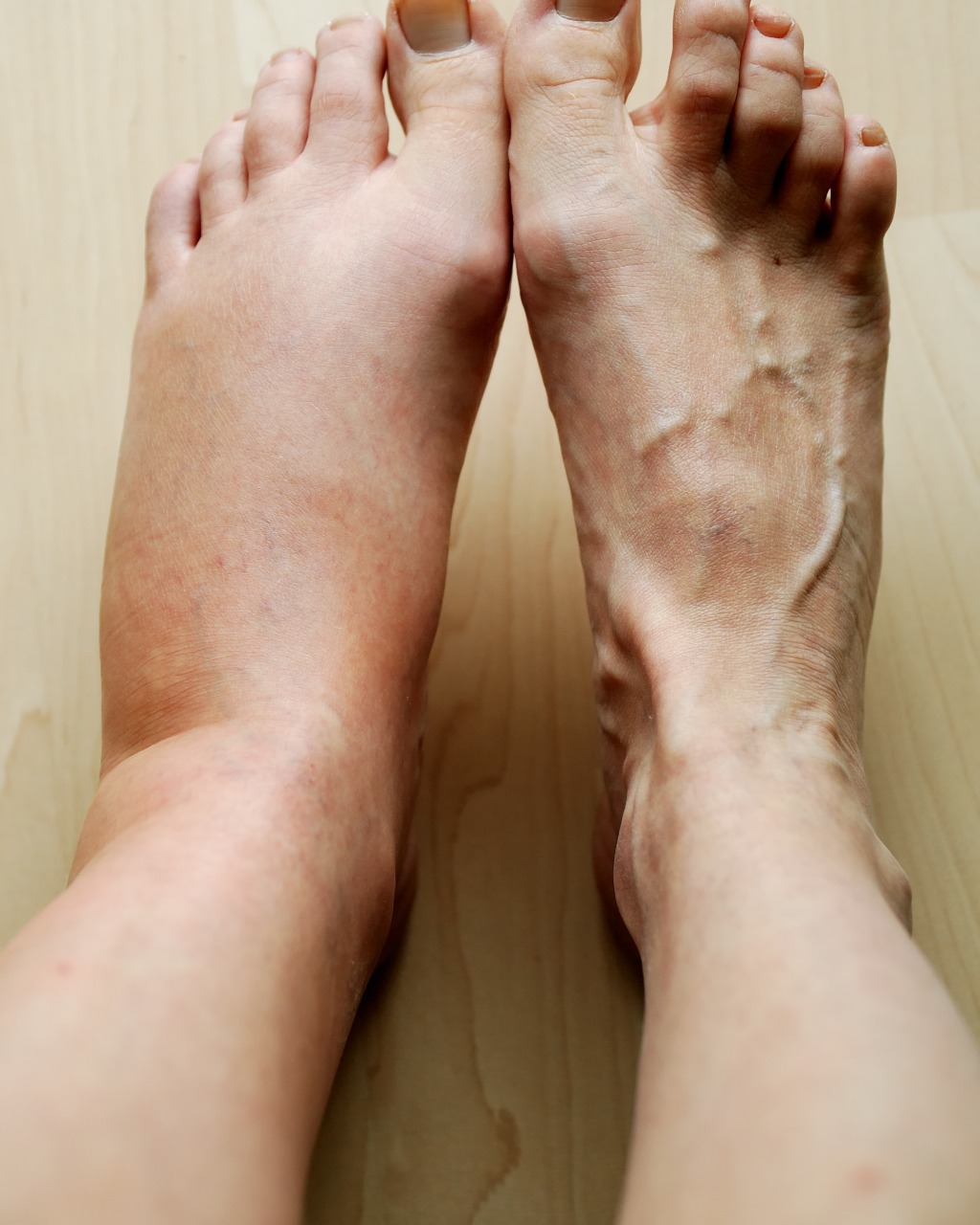
Your leg veins contain one-way valves that keep blood flowing upward toward your heart against gravity. When these valves weaken or stop closing properly, blood pools in the lower leg, which causes the vein to stretch, swell, and push against the skin in that twisted, rope-like pattern. This is called venous insufficiency, and varicose veins are its most visible symptom.
The risk increases if you spend long hours standing or sitting, have a family history of varicose veins, carry excess weight, have been through pregnancy, or are over 50. Women are affected more frequently than men, though men develop the condition more often than most people realise.
Not every visible vein needs treatment, and it helps to understand the difference between veins that are simply showing through thinner skin and veins that point to an underlying circulation issue.
If you’re experiencing two or three of these alongside visible veins, venous insufficiency is likely involved and will continue to worsen without intervention. Most patients don’t seek help until Stage 2 or 3 on the medical classification scale, when a simple assessment months earlier could have caught it sooner.
Varicose veins are progressive. The pooling blood continues putting pressure on surrounding tissue, and over time that leads to chronic swelling, brownish skin discolouration, thickened skin texture, and in advanced cases venous ulcers near the ankles that take months to heal. There’s also the risk of blood clots forming inside varicose veins, which can cause pain, inflammation, and in rarer cases a connection to deep vein thrombosis.
Traditional vein stripping involved general anaesthesia, long incisions, and several weeks of recovery, but that approach has largely been replaced by minimally invasive techniques that deliver better results with far less downtime.
Dr. Gaurav Gangwani, an interventional radiologist practising in Mumbai, treats varicose veins using endovenous laser ablation, where a thin laser fibre is inserted through a tiny puncture to seal the damaged vein shut from inside, and sclerotherapy, where a solution is injected into smaller veins to collapse and fade them. Both procedures are performed under local anaesthesia, require no hospital stay, leave no visible scars, and allow most patients to walk out of the clinic the same day and return to normal activity within 24 to 48 hours.
Visible, raised veins on your legs aren’t just a cosmetic concern for most people who have them, and the sooner you find out whether venous insufficiency is behind them, the simpler and less invasive the treatment tends to be. Dr. Gaurav Gangwani is one of Mumbai’s leading interventional radiologists, offering non-surgical varicose vein treatment at his clinic in Borivali using laser ablation and sclerotherapy, with same-day discharge and no visible scarring.
Dr. Gangwani Vascular Clinic, 302/TGN SQUARE 3rd floor Chandawarkar lane Borivali west Mumbai 400092
+91 9326195964
drgauravgangwani@gmail.com
Monday to Saturday: 8.30 am to 8.00 pm. For any quires & assistance please call on: +91 9082394787
Copyright 2026 – www.drgauravgangwani.com
Website Managed by SEO Discovery
WhatsApp us