

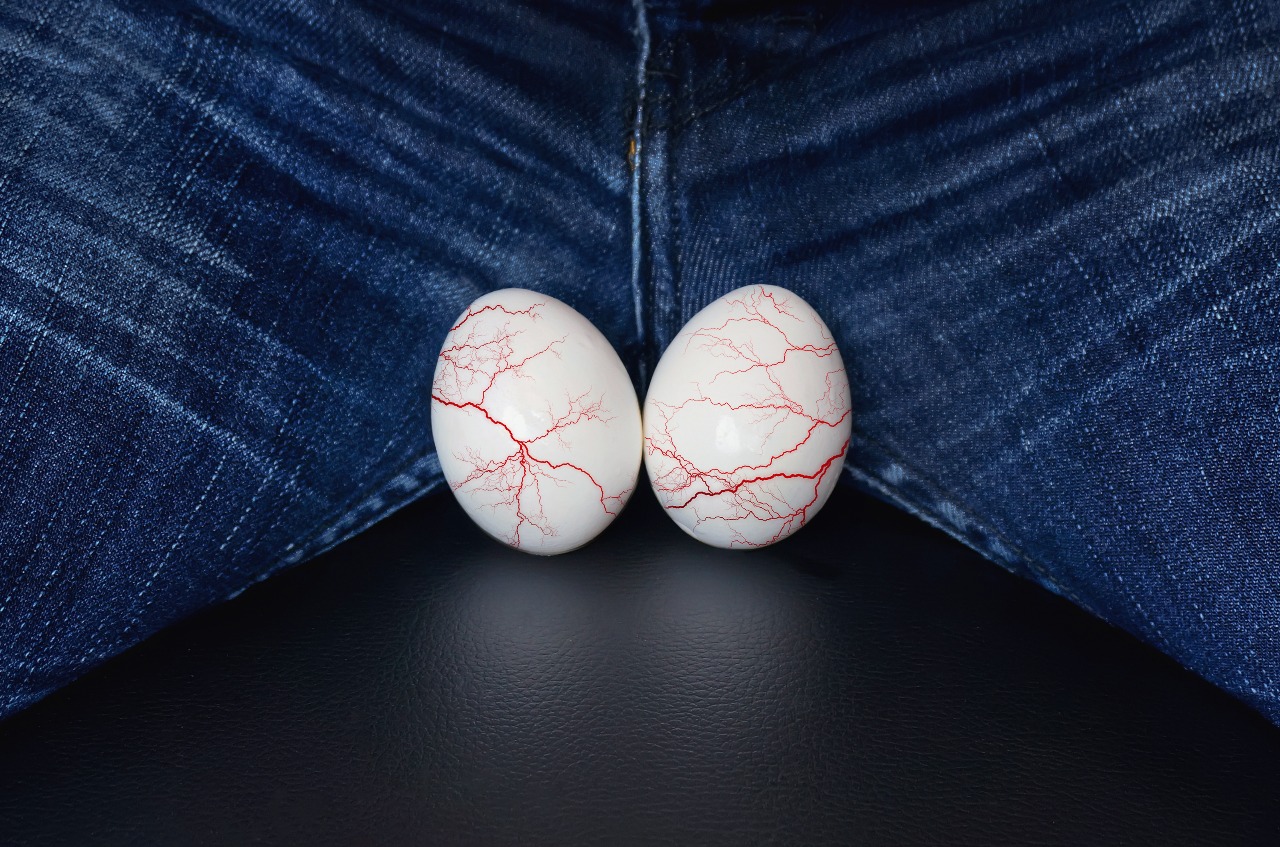
One testicle feels bigger – should I be worried? If you’ve noticed this change and started to worry, you’re definitely not alone. Many men experience differences in testicle size at some point, and in most cases, a slight variation is completely normal. However, when the difference becomes more noticeable, such as one testicle feeling heavier, larger, or different in texture, it’s something that shouldn’t be ignored.
The most common cause behind this change is varicocele, where the veins inside the scrotum become enlarged, similar to varicose veins in the legs. A varicocele affects around 15% of all men and up to 40% of men dealing with fertility issues. It can cause visible swelling, a dull ache, or even gradual shrinkage of the affected testicle over time.
The good news is that surgery is no longer your only option. Dr. Gaurav Gangwani, a leading interventional radiologist in Mumbai, offers advanced non-surgical varicocele treatment, no scars, minimal downtime, and proven results for thousands of patients across India.
Let’s take a closer look at what might be causing this and what you can do about it.
Yes, in most cases, it’s completely normal for one testicle to be slightly bigger or hang lower than the other. The human body is rarely perfectly symmetrical, and the testicles are no exception. In fact, for many men, the left testicle naturally sits a bit lower due to differences in blood flow and anatomy.
A small difference in size or position usually isn’t something to worry about. Most of the time, it doesn’t cause pain, discomfort, or any impact on overall health. Many men notice this difference only by chance and live their entire lives without any related issues.
However, it’s important to pay attention to changes. If one testicle suddenly becomes larger, feels heavier, or develops a different texture, it shouldn’t be ignored. Gradual or noticeable changes can sometimes point to conditions like varicocele or other underlying issues that may need medical attention.
If you notice that one testicle looks or feels bigger than the other, you might feel a little worried. That is completely understandable. The truth is, this can happen for several reasons. Some are harmless, and others need a doctor’s help. The key is to know the difference so you can decide what to do next.
Here are the most common reasons explained simply.
Varicocele
This is a very common cause. It happens when the veins inside your scrotum do not drain blood well and become enlarged. You might feel a dull ache or a heavy feeling on one side. Some men say the texture feels soft and lumpy, like a small bag of worms. It usually shows up on the left side and may look more noticeable after you have been standing for a long time.
Hydrocele
A hydrocele is just a buildup of fluid around your testicle. It often looks like a smooth, painless swelling on one side. You might notice the size changes a little during the day. It is usually not serious, but if it gets very large, it can feel uncomfortable or heavy.
Infection (Epididymitis or Orchitis)
Infections tend to come on faster. Along with swelling, you will probably feel pain, tenderness, or warmth in the area. You might also run a fever or feel pain when you urinate. This type of problem usually needs medical treatment like antibiotics.
Testicular Torsion –
This is rare, but it is serious. It happens when the cord that brings blood to your testicle gets twisted. The pain is sudden and severe, and the swelling happens quickly. If you feel this kind of pain, do not wait. Go to the emergency room right away.
Testicular Tumor
Sometimes a change in size comes from a lump or growth. It may not hurt at all, which is why some men do not notice it at first. If you feel a hard spot or notice a lasting change in shape or size, you should get it checked by a doctor as soon as you can.
Small changes in your body are quite usual, but there are certain signs that one should not overlook. You had better have it checked when you notice that one side of the testicles is larger than the other and the situation is new to you. Listening to your body may make you notice the issues at the initial stage and prevent complications.
If your doctor has told you that you have a varicocele, don’t panic – it can be treated. What works best for you depends on your symptoms, how much pain you feel, and whether it is causing any issues with your fertility. Some men do not need treatment right away, while others benefit from a medical procedure.
Here are the common treatment options explained simply.
Observation (Watch and Wait)
When you have a small varicocele and you do not experience pain or fertility issues, your physician might just advise you to have a follow-up of your varicocele. There is no immediate treatment.
Painkillers
In the event of discomfort, particularly following a lengthy standing period or exercise, your physician can recommend easy pain relief drugs. They do not cure the varicocele but will make you feel better.
Surgical Treatment (Varicocelectomy)
There are instances when surgery is carried out to tie off the affected veins. This assists in redirection of blood to normal veins. Nonetheless, this alternative includes incisions, surgical procedures, and an increased period of recovery.
Varicocele Embolization (Non-Surgical Treatment)
This is a modern and less invasive option. Some specialists, like Dr. Gangwani’s Vascular Clinic, offer this treatment.
Here is how it works:
A thin tube called a catheter is inserted through a small opening, usually in your groin or neck
Noticing a difference in testicle size can feel worrying, but the important thing is not to ignore it. In many cases, the cause may be harmless, but sometimes it could be linked to conditions like varicocele that need proper attention. The earlier you understand what’s happening, the easier it is to treat and avoid complications later.
If you’re experiencing any discomfort, swelling, or changes, it’s always better to get clarity from an expert rather than guessing or waiting.
At Dr. Gangwani’s Vascular Clinic you can find advanced, non-surgical treatment options for varicocele and related conditions. With a focus on safe, minimally invasive procedures, the goal is to help you recover faster and get back to your normal life without unnecessary stress. Book an appointment today!
Dr. Gangwani Vascular Clinic, 302/TGN SQUARE 3rd floor Chandawarkar lane Borivali west Mumbai 400092
+91 9326195964
drgauravgangwani@gmail.com
Monday to Saturday: 8.30 am to 8.00 pm. For any quires & assistance please call on: +91 9082394787
Copyright 2026 – www.drgauravgangwani.com
Website Managed by SEO Discovery
WhatsApp us