

To help you understand what kind of discomfort may be involved in varicose vein treatments and what most patients usually experience before, during, and after procedures.
To clear common fears around pain and help you feel more prepared when speaking with a varicose veins doctor.
If you’ve been putting off treatment because you’re scared it might hurt, you’re not alone. Many people delay seeing a varicose veins doctor simply because the word “procedure” sounds painful.
You might be imagining needles, cuts, or long recovery days. But modern varicose vein treatments are very different from what people feared years ago.
A common concern people have is about the level of discomfort they may experience. So, let’s talk about it honestly, without overpromising anything. This guide will walk you through what pain may feel like during different treatments, what most patients say, and how doctors usually manage discomfort.
Pain is personal. What feels barely noticeable to one person might be uncomfortable for someone else.
Many people also connect vein treatments with old surgical methods. That memory alone can create fear, even before speaking to a doctor.
You may also worry about how long the pain might last, or whether it’ll affect your work, travel, or daily routine. These concerns are valid. A good varicose veins doctor usually expects these questions and can explain what’s normal and what’s not.
Before treatment even begins, varicose veins themselves can cause discomfort.
You may feel:
In few cases, the pain you notice may actually come from the veins themselves, not the procedure. It could be from the vein issue that you are already experiencing in your daily life. It’s a good thing to understand the difference between the pain you are already experiencing from your veins and any other sensations that may arise from the treatment itself.
Yes, the degree of discomfort you may feel can vary depending on the type of treatment. But most treatments that are currently available are made in a way that is comfortable and non-invasive with regard to the patient.
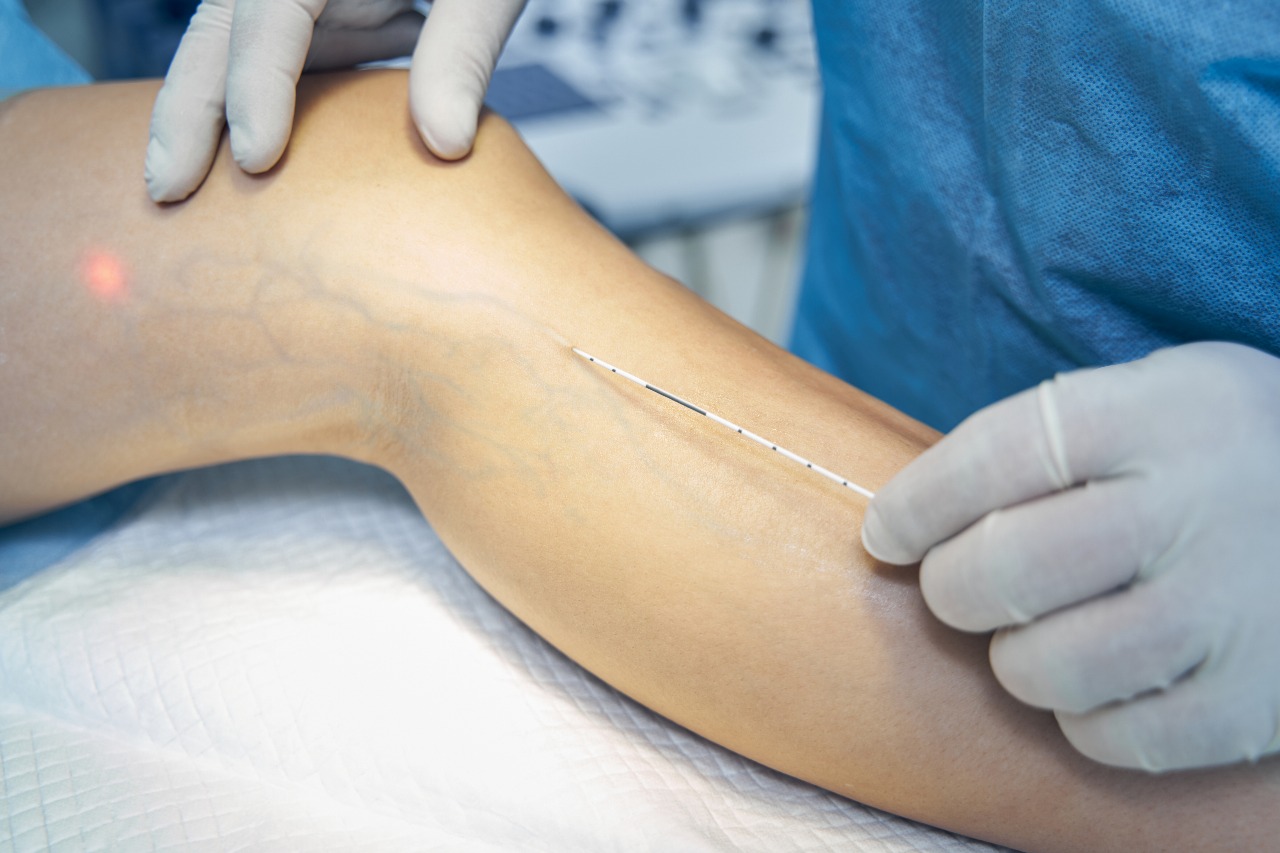
Some treatments involve heat-based techniques. Others may use injections or small catheters. During consultation, a doctor usually explains which method may be suitable for you and what kind of sensation patients often report.
Many patients describe sensations like:
Severe pain is not often experienced, but this can differ. It is helpful to know what each treatment feels like in order to prepare mentally.
During the procedure, local numbing is often used. This helps reduce discomfort in the treated area.
Many patients say they feel pressure more than pain. Some feel brief stinging that lasts only seconds. You might feel aware of what’s happening, but that doesn’t always mean it’s painful.
Talking to your varicose veins doctor during the procedure often helps. If you feel uncomfortable, adjustments can usually be made on the spot.
After treatment, it’s common to feel some soreness. This can feel similar to muscle stiffness after exercise.
You may notice:
These sensations will normally settle down within a time. Many people are able to return to normal activities within a short time, depending on the treatment used. Your doctor may suggest walking, wearing compression stockings, or simple care tips.
Doctors don’t ignore pain concerns. In fact, managing comfort is a key part of treatment planning.
Some common ways discomfort is handled include:
A trusted varicose veins doctor will always encourage you to speak up instead of “tolerating” pain silently.
When Should Pain Be Taken Seriously?
Although some pain is to be expected during the healing process, pain that gets worse or pain that is unusual should not be dismissed.
If you experience any of the following, it’s best to get in touch with your doctor:
It may not be anything serious, but it is always a good idea to have it checked out.
Not always. While most treatments are designed to keep discomfort minimal, how much pain you feel can vary from person to person
Many patients are encouraged to walk shortly after treatment, depending on the method used and doctor advice.
Not everyone does. Some patients feel fine with minimal care, while others may need short-term relief.
Feeling nervous is normal. Talking openly with a doctor about varicose veins it often helps reduce fear more than anything else.
Pain shouldn’t be the reason you ignore your health. Most people who finally seek help say their fear was worse than the experience.
If you’ve been living with leg discomfort, heaviness, or visible veins, a calm conversation with a doctor can give you clarity. You don’t need to rush, so taking the first step is about understanding your options and feeling confident in the decisions you make.
Just remember, every person’s experience is unique. Some people experience relief right away, while others experience relief over time. This is completely normal. By asking questions, expressing your concerns, and following your doctor’s advice, you are doing everything possible to alleviate discomfort and increase your comfort level.
You may feel a little apprehensive at first, and that’s perfectly fine because it’s only natural to feel a little apprehensive about new treatments. But once you can see what’s out there, understand what you can expect, and take small steps toward treatment, you will likely feel much more in control and much less anxious. Your legs need attention, and you need peace of mind.
Let’s move forward in terms of comfort, knowledge, and care, one step at a time because you are not alone in this process.
Book a appointment with Dr. Gaurav Gangwani
Dr. Gangwani Vascular Clinic, 302/TGN SQUARE 3rd floor Chandawarkar lane Borivali west Mumbai 400092
+91 9326195964
drgauravgangwani@gmail.com
Monday to Saturday: 8.30 am to 8.00 pm. For any quires & assistance please call on: +91 9082394787
Copyright 2026 – www.drgauravgangwani.com
Website Managed by SEO Discovery
WhatsApp us