

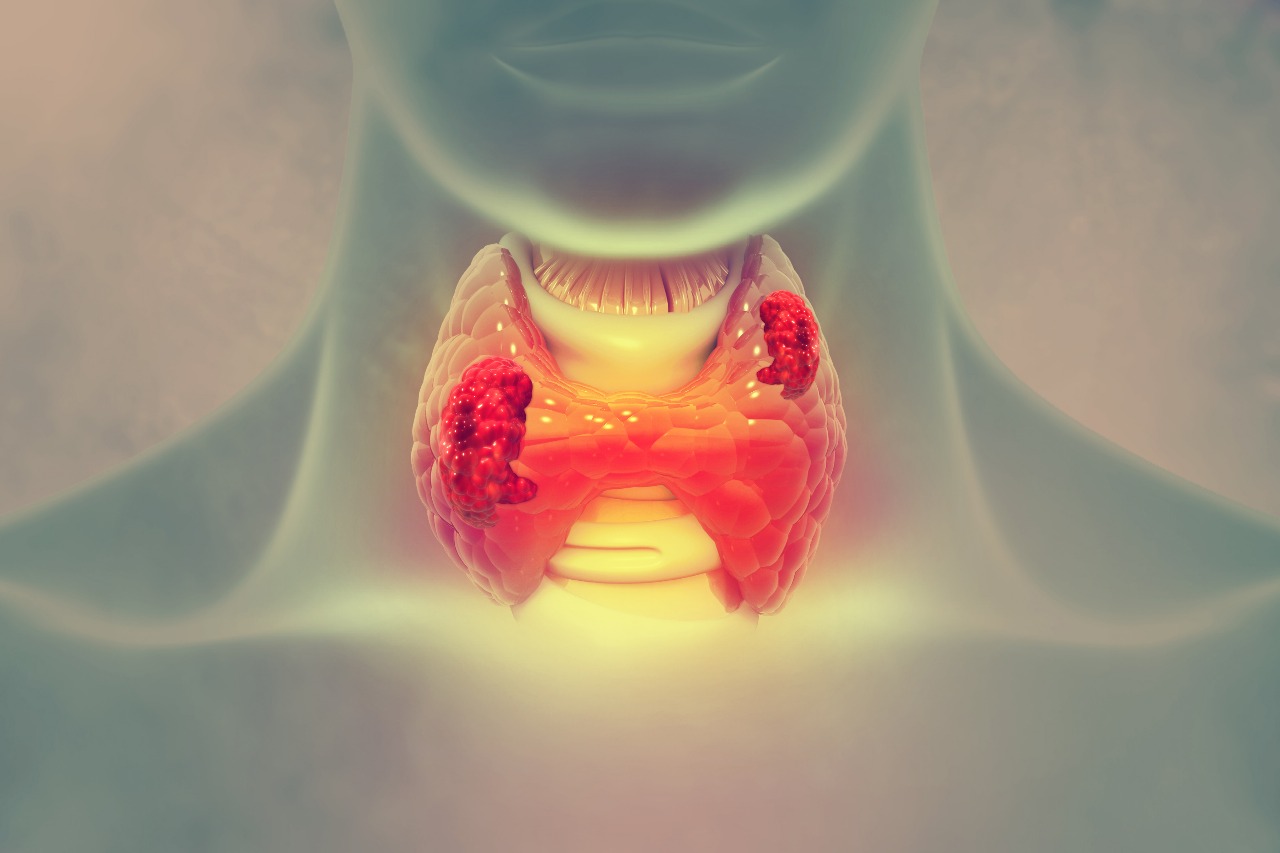
The prevalence of thyroid nodules in the adult population is remarkably high, with research from the British Thyroid Foundation indicating that while most nodules are benign, up to 50% of people over the age of 50 will have at least one nodule detectable via ultrasound. For decades, the standard response to a growing or symptomatic nodule was a hemi-thyroidectomy or a total thyroidectomy, but the medical landscape has shifted. Patients are no longer willing to accept the “scar and pill” trade-off without investigating alternatives. My practice focuses on Interventional Radiology, where we use pinhole access to treat these nodules without the need for a scalpel or general anaesthesia. The goal is simple: keep the gland, lose the symptoms.
The hesitation toward surgery is rarely about the procedure itself but rather the consequences that follow. A traditional thyroidectomy involves an incision across the base of the neck, which, regardless of the surgeon’s skill, leaves a permanent reminder of the illness. Furthermore, removing half or all of the thyroid often compromises the body’s ability to produce essential hormones. This leads to a lifetime of daily pills and constant blood tests to manage synthetic hormone levels. When I consult with patients, their primary concern is usually this loss of autonomy. They want to know if they can treat the pressure in their throat or the visible lump without sacrificing the organ that regulates their metabolism.
Traditional surgery is invasive. It requires a hospital stay, a period of painful recovery, and carries risks such as damage to the laryngeal nerves, which can permanently alter your voice. While surgery is sometimes necessary for aggressive cancers, many benign but growing nodules can be managed with much less trauma. The “watch and wait” approach also fails many patients, as it often leads to the nodule growing large enough to cause breathing difficulties or swallowing issues, eventually forcing a surgical hand.
Interventional Radiology has introduced thermal ablation, a process where heat is used to destroy the nodule from the inside out. We do not “remove” the nodule in the traditional sense; instead, we cause it to shrink and be absorbed by the body over time.
RFA is the most common alternative to surgery for benign thyroid nodules. I use a very thin electrode, guided by real-time ultrasound, to deliver high-frequency alternating current into the nodule. This heat causes “coagulative necrosis,” essentially killing the nodule cells while leaving the healthy thyroid tissue surrounding it untouched. The precision is remarkable. Because we see exactly where the needle is at every second, the risk to surrounding structures is minimal.
Microwave ablation works similarly to RFA but uses electromagnetic waves to generate heat. It is often faster and can be more effective for larger or more cystic nodules. In my experience, MWA allows for a more uniform “kill zone,” which is vital for nodules that have become particularly bulky or are causing significant cosmetic distress. Both RFA and MWA are “walk-in, walk-out” procedures.
| Feature | Traditional Surgery | Thermal Ablation (RFA/MWA) |
| Anaesthesia | General (Full Sleep) | Local (Targeted Numbing) |
| Incision | 4-6 cm Neck Scar | Pinhole (No Scar) |
| Recovery Time | 2-4 Weeks | 1-2 Days |
| Hormone Meds | High Risk (Often Lifelong) | Very Low Risk |
| Voice Risk | Moderate | Minimal |
It is important to understand that the results of ablation are not instant. The heat kills the cells, but the body’s immune system has to do the work of clearing them away. Typically, we see a 50% to 80% reduction in volume over six to twelve months. Most patients feel the relief from pressure symptoms within the first few weeks as the internal tension of the nodule dissipates. Because the thyroid gland itself is preserved, the risk of hypothyroidism is less than 1%, compared to nearly 100% in a total thyroidectomy.
Most patients describe the sensation as a feeling of pressure rather than sharp pain. Because we use local anaesthesia, the skin and deep tissues are numb. Some people feel a mild ache in the jaw or ear during the procedure, but this stops the moment the treatment ends.
Currently, thermal ablation is primarily indicated for benign nodules that are symptomatic or growing. However, in very specific cases of small papillary thyroid microcarcinomas where surgery isn’t an option, ablation may be considered. A biopsy is always required first to confirm the nature of the nodule.
Regrowth is rare. Once the cells are destroyed by heat, they do not recover. However, the thyroid is a dynamic organ, and it is possible for a completely new, separate nodule to form elsewhere in the gland over time, though this is not a failure of the initial treatment.
Immediately. In fact, I often ask patients to speak during the procedure to ensure the nerves that control the vocal cords are unaffected. There is no “vocal rest” required afterward.
Many modern insurance policies in India now recognize minimally invasive Interventional Radiology procedures. We assist our patients with the necessary documentation to show that these are established, evidence-based alternatives to surgery.
The decision to undergo surgery should never feel like a forced choice. If you have been told that your only path forward involves a neck scar and lifelong medication, you owe it to yourself to investigate the alternatives. Thermal ablation is a mature, proven technology that has helped thousands of patients avoid the trauma of the operating theatre. At my clinic, we prioritise the most conservative approach that will achieve the best clinical outcome. We are here to ensure that your “other options” are not just theories but accessible, high-tech realities.
Dr. Gangwani Vascular Clinic, 302/TGN SQUARE 3rd floor Chandawarkar lane Borivali west Mumbai 400092
+91 9326195964
drgauravgangwani@gmail.com
Monday to Saturday: 8.30 am to 8.00 pm. For any quires & assistance please call on: +91 9082394787
Copyright 2026 – www.drgauravgangwani.com
Website Managed by SEO Discovery
WhatsApp us