
This blog explains why your legs feel heavy every evening, why the real cause is often a vein problem rather than tiredness, and when you should see a vascular specialist.
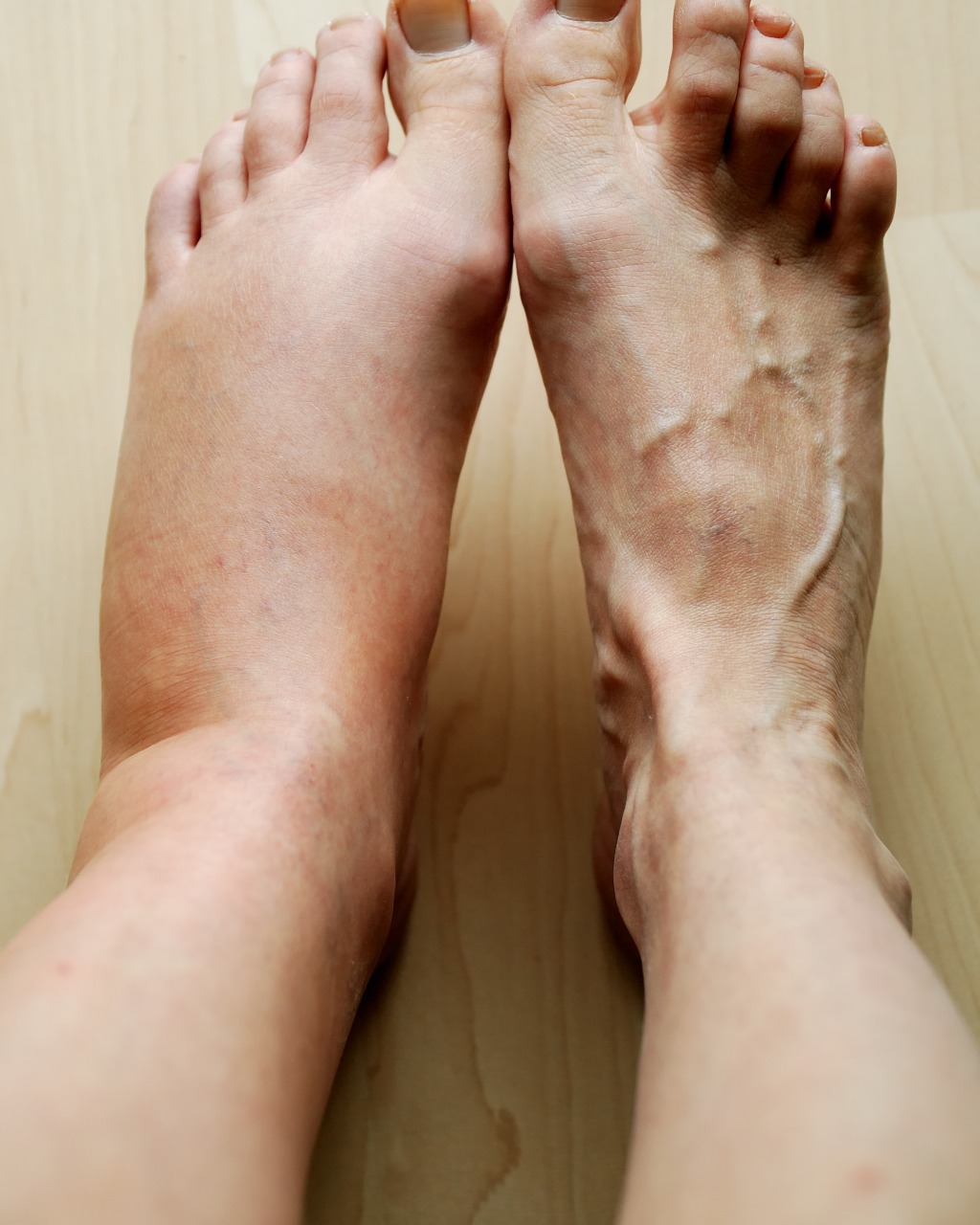
You finish work, sit down, and your legs feel like they’re filled with wet sand. Heavy. Tight. Maybe swollen around the ankles. You blame standing too long, walking too much, or just getting older. Most people do. And most people are wrong about why it’s happening.
According to the Cleveland Clinic, varicose veins affect roughly 1 in 3 adults, and each year about 1 in 50 of those develop chronic venous insufficiency. The condition isn’t rare. But because it starts gradually, people live with it for years before realising something is off with their veins.
Leave it alone and you’re not just dealing with tired legs. You’re looking at skin changes, persistent swelling, and in some cases open sores near the ankles that take months to heal.
The veins in your legs have one-directional valves that push blood upward to your heart against gravity. When those valves weaken or stop closing, blood pools in the lower leg. Pressure builds. By evening, your legs feel heavy, achy, and swollen. That’s venous insufficiency. Not tiredness. A mechanical problem with your vein valves.
Each one is your circulatory system flagging a valve problem. By the time bulging varicose veins show up on the surface, the issue has been developing underneath for years.
The risk goes up if you:
Women are affected more often, partly due to hormonal shifts during pregnancy and menopause. Men develop it too, but tend to ignore symptoms longer.
Chronic venous insufficiency gets worse in stages. The CEAP classification runs from Stage 0 to Stage 6.
| Stage | What You’ll Notice |
| 0-1 | Heavy legs, aching, small spider veins |
| 2 | Visible varicose veins (3mm or wider) |
| 3 | Persistent swelling that doesn’t resolve |
| 4 | Skin discolouration, thickening, itching |
| 5-6 | Healed or active ulcers near the ankles |
The jump from Stage 1 to Stage 4 can happen over a few years. Getting checked at the heavy-legs stage is how you avoid the skin damage stage.
Old-school vein stripping meant general anaesthesia, incisions, and weeks of recovery. That’s not how it works anymore.
Dr. Gaurav Gangwani, an interventional radiologist in Mumbai, treats varicose veins using two main non-surgical methods:
Both leave no scars, need no hospital stay, and most patients return to normal activity within 24 to 48 hours.
Yes, it’s one of the earliest signs. When vein valves weaken, blood pools in the lower legs throughout the day. By evening, that pressure makes your legs heavy and achy. A Duplex ultrasound can confirm whether venous insufficiency is the cause.
2. Do I need visible varicose veins to have venous insufficiency?
No. Heaviness, swelling, night cramps, and itchy ankles can all show up well before any veins become visible on the surface.
3. Is varicose vein treatment painful?
Endovenous laser ablation is done under local anaesthesia. Most patients describe mild discomfort, like a small pinch. No general anaesthesia, no surgical cuts.
4. How long is recovery after non-surgical treatment?
Most patients walk out the same day and resume daily activities within 24 to 48 hours. Compression stockings are worn for a couple of weeks, and mild bruising fades quickly.
5. When should I see a doctor about heavy legs?
If your legs feel heavy most evenings, if ankle swelling comes and goes daily, or if you notice skin changes on your lower legs, see a vascular specialist. Early-stage venous insufficiency is far easier to treat than advanced disease.
Heavy legs every evening are a signal about what’s happening inside your veins, not about how hard your day was. The fix is simpler and faster than most people expect. Dr. Gaurav Gangwani is one of Mumbai’s leading interventional radiologists, specialising in non-surgical varicose vein treatment using laser ablation and sclerotherapy. His clinic in Borivali treats patients under local anaesthesia with same-day discharge.
Dr. Gangwani Vascular Clinic, 302/TGN SQUARE 3rd floor Chandawarkar lane Borivali west Mumbai 400092
+91 9326195964
drgauravgangwani@gmail.com
Monday to Saturday: 8.30 am to 8.00 pm. For any quires & assistance please call on: +91 9082394787
Copyright 2026 – www.drgauravgangwani.com
Website Managed by SEO Discovery
WhatsApp us