

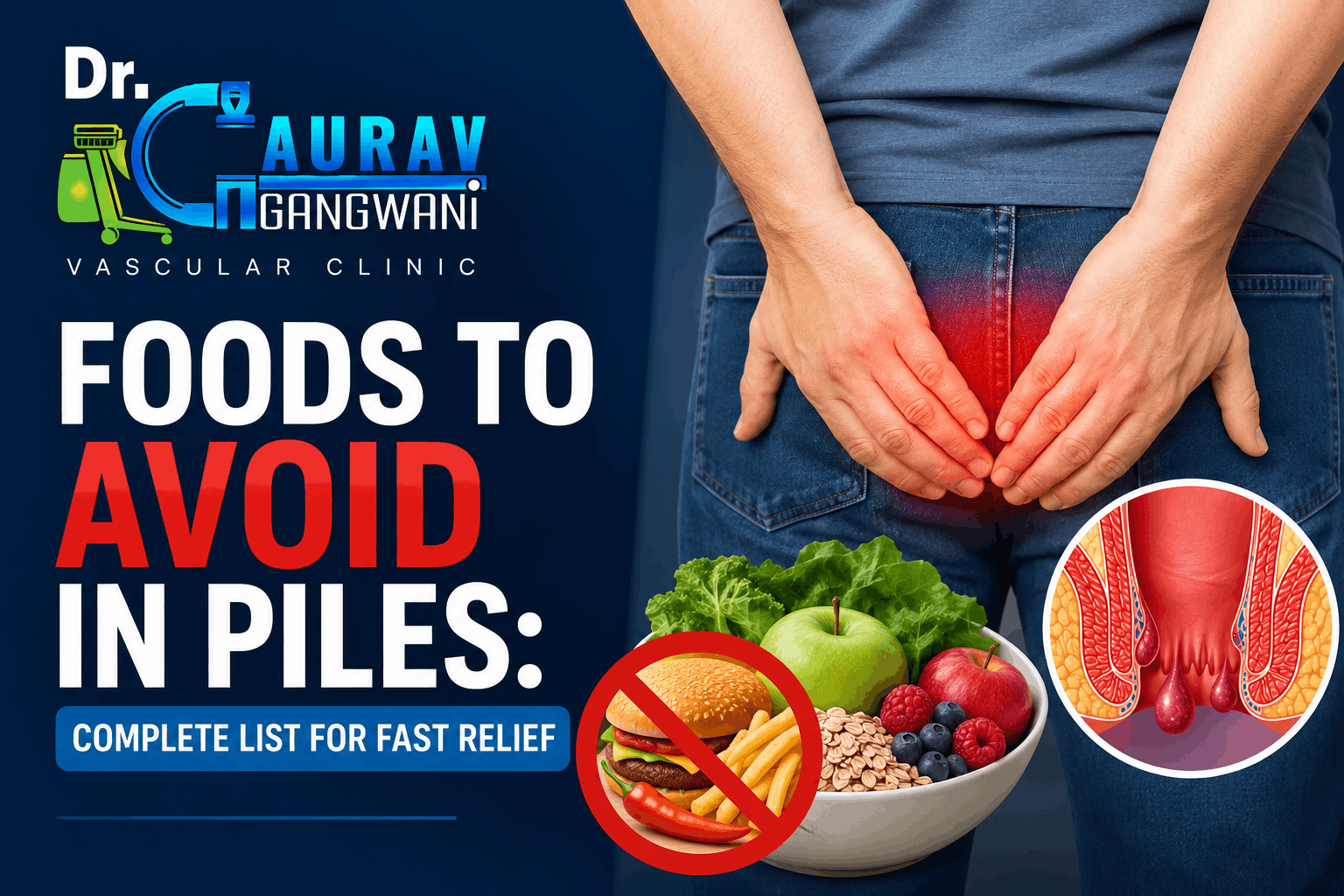
If you are dealing with the discomfort of piles, the fastest way to find relief is to cut out inflammatory and low-fiber foods immediately. Changing your diet is the most effective natural step you can take to reduce irritation, soften your stool, and allow your body to heal.
Piles, or hemorrhoids, are essentially swollen veins in your lower rectum. When you eat foods that are hard to digest or that cause constipation, you end up straining during bowel movements. That pressure is exactly what keeps piles inflamed and painful.
When you manage your diet, you aren’t just avoiding pain; you are actively helping your body recover. Think of it as taking the pressure off a wound so it can finally close.
The goal is to keep your digestive system moving smoothly. If a food makes your stool hard or slows down your digestion, it belongs on your “avoid” list.
| Food Category | Why It Should Be Avoided |
| Refined Grains | Stripped of fiber; causes stool to clump and harden. |
| Dairy Products | Can lead to bloating and digestive sluggishness. |
| Spicy Foods | May cause burning sensations during bowel movements. |
| Processed Foods | High in salt; leads to water retention and irregularity. |
| Caffeine/Alcohol | Dehydrates the body, leading to dry, hard stools. |
| Red Meat | Difficult to digest and completely lacks fiber. |
Beyond what you eat, how you eat and handle your daily routine plays a huge role in your recovery. Small changes can prevent the “rebound” effect where pain returns after a few days of feeling better.
The best way to heal is to feed your body things that keep your system moving like a well-oiled machine. Fiber basically acts like a natural broom to clear things out. At Dr. Gangwani’s Vascular Clinic, we always tell our patients to keep these on their shopping list:
If you are struggling to find consistent relief, Dr. Gangwani’s Vascular Clinic provides personalized dietary guidance to help patients manage these symptoms effectively.
While home remedies provide a great foundation, they have limits. Piles that bleed frequently or cause severe pain need more than just a diet change.
Dr. Gaurav Gangwani specializes in identifying the root cause of your discomfort. At Dr. Gangwani’s Vascular Clinic, the focus is on minimally invasive treatments that get you back to your normal life as quickly as possible.
Don’t wait until the pain becomes unmanageable; getting a professional opinion can save you weeks of unnecessary suffering.
Healing from piles is about the daily habits you choose. By choosing fiber-rich foods and improving your bathroom routine, you can naturally reduce pressure and help your body recover.
If symptoms persist, seek expert advice to address the issue before it worsens. Small, consistent changes today are the surest path to lasting comfort.
Dr. Gangwani Vascular Clinic, 302/TGN SQUARE 3rd floor Chandawarkar lane Borivali west Mumbai 400092
+91 9326195964
drgauravgangwani@gmail.com
Monday to Saturday: 8.30 am to 8.00 pm. For any quires & assistance please call on: +91 9082394787
Copyright 2026 – www.drgauravgangwani.com
Website Managed by SEO Discovery
WhatsApp us