
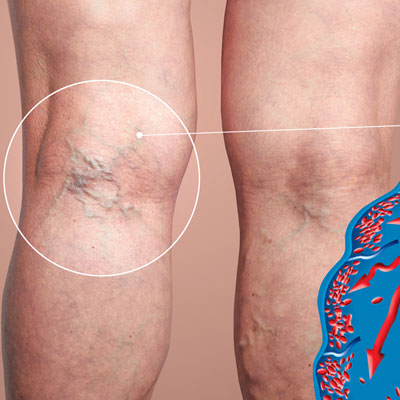
This thorough guide looks into the important connection between the things you do in your daily life and varicose veins. You will find highly proven information about how changes in diet, like how much salt you eat, and exercise habits affect veins. We will examine the reality of avoiding heavy lifting as a way to avoid varicose veins, explore scientifically proven ways to prevent varicose veins, and identify when medical attention is necessary.
Although lifestyle changes may not be able to magically make existing varicose veins disappear, they are surprisingly effective in preventing them and reducing symptoms. To get advice tailored to your specific needs, you may want to consult a varicose veins specialist, as generic advice is unlikely to address your specific risk factors.
At Dr. Gaurav Gangwani’s clinic, we realize that to prevent varicose veins, you need more than generic advice—you need expert advice that is tailored to your specific physiology and lifestyle.
Oh, yes—although not in the manner you might think. Too much salt in your diet leads to water retention in your body, resulting in swelling in your lower limbs. The increased fluid pressure pushes your leg veins to work even harder against the force of gravity.
As a result, your veins are subjected to constant high pressure, which can weaken their walls and impair vein valves, as happens in the case of varicose veins. Reducing your sodium intake simply means that you are reducing the workload of your veins every day. It’s like reducing the water pressure in old pipes to make them function better.
Not all exercise is equal when you’re struggling with problematic veins. The key is to remember the golden rule: low-impact exercises that work on your calf muscles are your biggest supporters. Walking, swimming, and cycling are the top three because they work on your calf muscle pump, which is the natural way of helping your blood flow back up to your heart.
Yoga and Pilates are also exercises that should be mentioned. They help stretch your skin, build supporting muscles, and increase blood flow without bothering the impact. Leg elevation exercises, or simply putting your feet up, work with your body instead of against it, which is a welcome relief for your tired veins.
Heavy lifting is not inherently bad—the problem is with how you do it. Exhaling while lifting, keeping your posture right, and lifting the right amount of weight avoids the pressure problem altogether. Weightlifters don’t get varicose veins easily, even though they lift heavy weights—they know how to do it right.
However, if you already have a problem with varicose veins, it’s best to consult a varicose veins specialist before beginning any weight training regimen. They can look at your veins and make suggestions based on what you need, like using lighter weights with more reps or working out your upper body while you work on your lower body.
In addition to reducing salt intake, the following are other ways your diet can help your vein health:
Lifestyle changes are best for prevention and managing symptoms, but they cannot treat existing varicose veins. It is important to recognize when your treatment is no longer sufficient:
A varicose vein specialist can assess your particular case and provide guidance on the best course of treatment, which may include a combination of medical treatment and the lifestyle changes we have previously discussed.
The connection between diet, exercise, and varicose veins is not about finding magic solutions it’s about making smart, educated decisions that work in harmony with your body’s natural processes for maintaining healthy circulation. By cutting back on salt, exercising in ways that are safe for your veins, lifting correctly, and eating foods that are good for your veins, you can create a healthy foundation for your legs.
At Dr. Gangwani’s Vascular Clinic, we integrate the latest advances in vascular care with expert advice on how to live a healthy lifestyle. Dr. Gangwani and our staff are committed to treating your symptoms and working with you to create a long-term plan for vascular health.
Exercise cannot treat existing varicose veins but can help prevent new ones from forming and alleviate symptoms such as swelling and pain.
Keep sodium below 2,300 mg per day (about one teaspoon of salt) to avoid fluid retention and pressure on the veins.
Yes, as long as you perform it with proper breathing techniques and without straining the veins.
Walking is the most effective exercise for varicose veins because it is low-impact, effectively targets the calf muscles, and improves circulation.
No, because compression stockings are most effective when used in combination with other lifestyle changes.
Dr. Gangwani Vascular Clinic, 302/TGN SQUARE 3rd floor Chandawarkar lane Borivali west Mumbai 400092
+91 9326195964
drgauravgangwani@gmail.com
Monday to Saturday: 8.30 am to 8.00 pm. For any quires & assistance please call on: +91 9082394787
Copyright 2026 – www.drgauravgangwani.com
Website Managed by SEO Discovery
WhatsApp us