

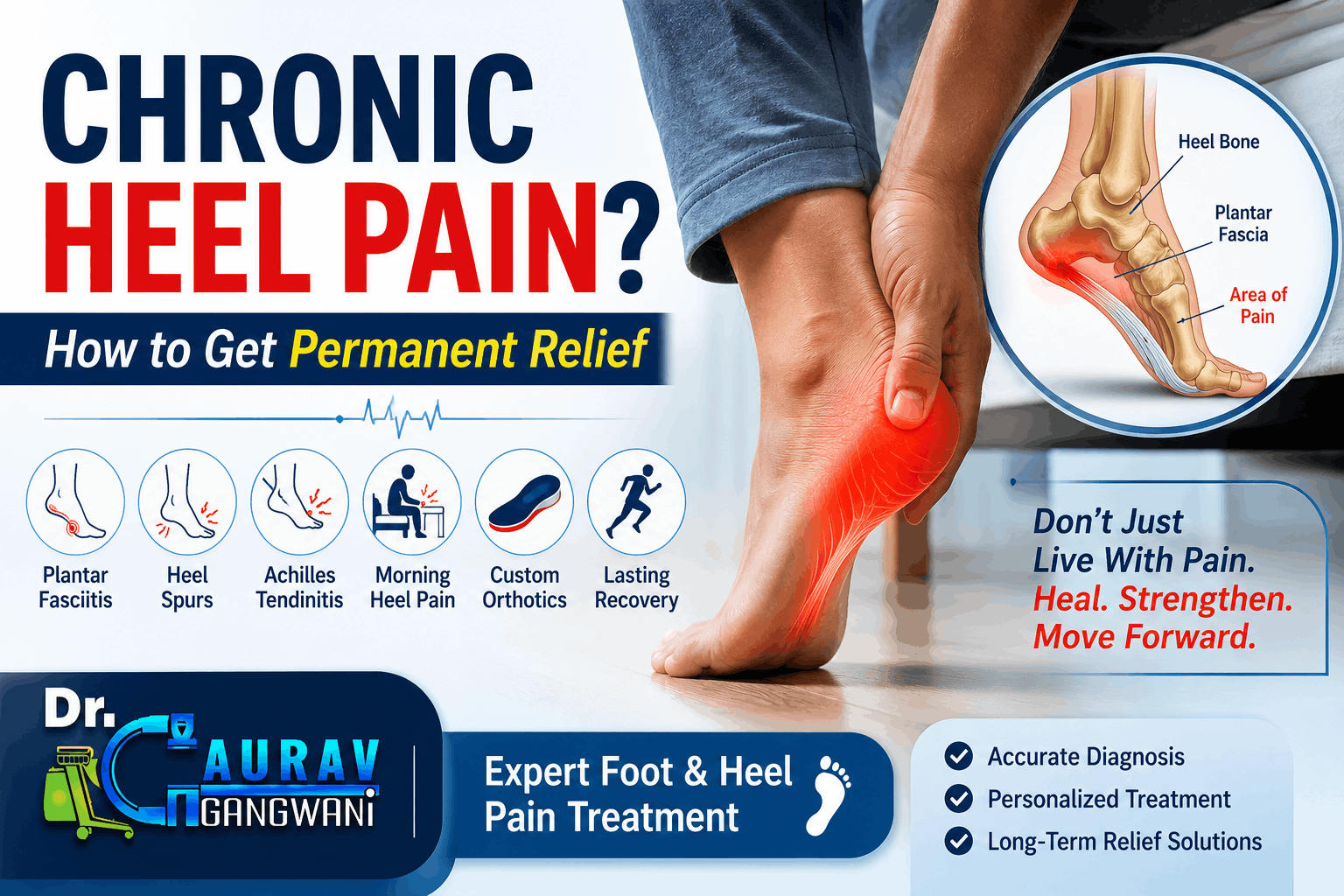
That first step out of bed shouldn’t feel like walking on glass. If you’re tired of the sharp, stabbing heel pain that ruins your morning, you aren’t alone but you are likely caught in a cycle of tissue damage that won’t fix itself. You don’t need magic or surgery; you need a mechanical reset to stop the pain for good.
At Dr. Gangwani’s Vascular Clinic, we help patients break this cycle every day. Most people fail to find relief because they treat the symptoms rather than the root cause. If you are ready to stop the daily re-injury, here is your path to permanent, lasting relief.
Most people assume heel pain is just “wear and tear.” While age plays a role, the pain you feel is usually caused by inflammation of the tissues in your foot.
The most common culprit is Plantar Fasciitis. This is when the thick band of tissue (the fascia) that connects your heel bone to your toes becomes inflamed or develops tiny micro-tears.
Other common causes include:
When you ignore these symptoms, your body compensates. You might start walking differently to avoid the pain, which leads to knee, hip, and back issues. This is why addressing it early is so critical.
Have you noticed that your pain is worse after waking up or sitting for a long time? This happens because your plantar fascia tightens up while you sleep. When you jump out of bed and put weight on your feet, you are essentially “tearing” that tight tissue all over again.
This cycle continues every single day. The tissue tries to heal at night, and you break it again in the morning. This is why “waiting for it to go away” rarely works. You need a structured approach to break this cycle.
Before you do anything else, you need to change how you treat your feet daily. Small changes lead to big results.
Stretching is the secret sauce for heel recovery. Most people stretch their feet, but they forget about their calves.
Tight calf muscles pull on the heel bone, which puts massive stress on the bottom of your foot. If your calves are tight, your heel will never truly recover.
The Wall Stretch:
Do this at least twice a day. Consistency matters more than intensity.
If you have been dealing with pain for a month now, it is time to put an end to all your guesswork.
It is common for people to try to endure their pain in a way that results in chronic problems, which are tougher to cure. When you visit Dr. Gaurav Gangwani, he will consider not only the heel but also your walk, the shoes you wear, and the mechanics of your legs.
Some patients may be prescribed custom orthotics, or custom insoles, for the arch of their feet. In some cases, physical therapy is needed in order to build up the muscles of the foot.
This will help you avoid spending your money on useless medications.
Once you start feeling better, don’t revert to old habits. Keep these maintenance tips in your routine to keep the pain away. Use this table as a quick reference for the daily habits that help prevent recurring pain.
| Habit | Why It Matters | Best Practice |
| Weight Management | Reduces physical load on the plantar fascia. | Aim for steady, healthy weight loss if overweight. |
| Gradual Activity | Prevents sudden overload on foot tissues. | Follow the “10% Rule” (increase intensity slowly). |
| Footwear Rotation | Allows the shoe cushioning to recover its shape. | Avoid wearing the same pair two days in a row. |
| Consistent Stretching | Keeps calf muscles and fascia flexible. | Perform morning/evening calf stretches daily. |
| Listening to Signs | Stops minor aches from becoming chronic. | Rest and ice at the first sign of familiar pain. |
| Avoiding Barefoot | Provides necessary support on hard surfaces. | Wear supportive slippers even inside your home. |
Absolutely not. Surgery is usually a last resort. The vast majority of heel pain cases are successfully treated with physical therapy, lifestyle changes, and orthotics.
Store-bought inserts can provide temporary comfort, but they aren’t customized to your specific biomechanics. For permanent relief, especially if you have high arches or flat feet, custom-made orthotics are far more effective.
It depends on how long you have had the pain. While some people feel better in a few weeks with consistent stretching, chronic cases can take a few months of dedicated treatment.
It is generally recommended to switch to low-impact exercises like swimming or cycling until the inflammation subsides. Running on a painful heel can turn a minor issue into a chronic injury.
Because the underlying cause usually muscle tightness or poor foot mechanics is still there. Think of stretching like brushing your teeth; it is a maintenance habit you need to keep up to prevent the “decay” of your tissues.
Maintaining these habits doesn’t require a huge time commitment. Even just five minutes of morning stretching and making the switch to supportive indoor footwear can make a massive difference in preventing your heel pain from returning. Do you have a specific physical activity or job that seems to trigger your heel pain the most?
Dr. Gangwani Vascular Clinic, 302/TGN SQUARE 3rd floor Chandawarkar lane Borivali west Mumbai 400092
+91 9326195964
drgauravgangwani@gmail.com
Monday to Saturday: 8.30 am to 8.00 pm. For any quires & assistance please call on: +91 9082394787
Copyright 2026 – www.drgauravgangwani.com
Website Managed by SEO Discovery
WhatsApp us