

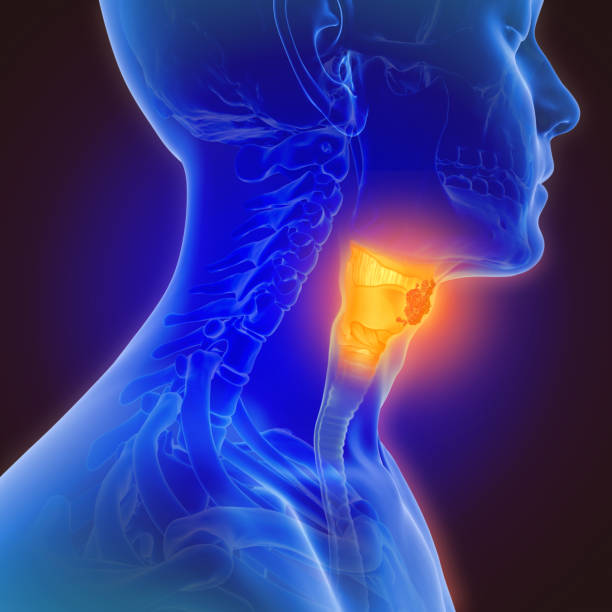
Reclaiming your life through thyroid permanent treatment starts with pinpointing why your metabolism stalled or why your heart suddenly feels like it’s racing. Most people push through the “brain fog” for years. They only seek help when they physically can’t get out of bed. It is a slow decline that many mistake for aging.
According to the National Library of Medicine, thyroid disorders affect around 42 million people in India, with hypothyroidism being the most common type. Prevalence among adults reaches 10-12%, driven largely by subclinical cases that often go undiagnosed for years.
Ignoring these red flags leads to heart strain and systemic inflammation. You end up on synthetic hormones forever. Act before your system fails. Total system collapse is expensive and often irreversible.
The thyroid is fragile. It doesn’t just fail; it collapses under a cascade of internal errors. Autoimmune disease is the usual suspect. In Hashimoto’s, your immune system, the thing that should protect you, attacks your thyroid tissue. It’s a genetic glitch, not a choice. Graves’ disease forces the gland to overwork. You end up trembling. You end up exhausted. You lose weight without trying, and your heart feels like it’s going to beat out of your chest. Stopping this self-sabotage is the priority.
Hashimoto’s thyroiditis is the leading cause of hypothyroidism. It’s a silent process. By the time TSH levels skyrocket, the gland is already damaged. Patients feel cold and heavy. They feel depressed for no reason. Conversely, Graves’ disease accelerates everything. Both require precise clinical intervention to prevent long-term organ damage.
Book A Call Now to avoid these preventable complications.
Lifestyle isn’t just about what you eat. It’s about your internal chemistry. Chronic stress is a silent killer of endocrine health. When you are stuck in a high-cortisol loop, your body suppresses the production of TSH. It’s a survival mechanism gone wrong. The body thinks it’s in danger, so it slows down the metabolism to conserve energy. This creates a feedback loop that mimics clinical hypothyroidism even when the gland itself is technically “fine.”
| Risk Factor | Impact Level | Primary Driver |
| Genetic History | High | Inherited autoimmune markers |
| Iodine Imbalance | Medium | Dietary excess or deficiency |
| Environmental Toxins | Medium | Perchlorates and Fluoride |
| Chronic Stress | High | Cortisol-Thyroid Axis disruption |
Modern environments are also filled with endocrine disruptors. Perchlorates found in groundwater and certain plastics compete with iodine for uptake in the thyroid. If your gland cannot get iodine, it cannot make T4. It’s that simple.
Leaving a thyroid imbalance untreated is a nightmare for your metabolism. Urgent precision in diagnosis is required. Shatter the cycle of fatigue—Book A Call Now.
Men often believe they are immune. They aren’t. While women are statistically more likely to suffer, men often present with more severe symptoms because they delay testing. Low testosterone is frequently linked to thyroid dysfunction. It’s a dual-threat to male vitality. Addressing the root cause early is the only way to secure health without undergoing invasive surgery later.
Pregnancy is another critical window. The thyroid must work 50% harder to support fetal neurodevelopment. If the mother has a latent deficiency, the “crash” post-delivery can be devastating. Postpartum thyroiditis is frequently dismissed as “baby blues.” It leaves the mother in a state of metabolic ruin. Professional screening isn’t just a recommendation; it’s a necessity.
Standard TSH panels are often misleading. You can have “normal” labs while your hair falls out in clumps and your brain feels like it’s trapped in fog. Dr. Gangwani’s Vascular Clinic rejects the one-size-fits-all approach. We dig into the markers that standard clinics overlook, whether that’s hidden antibodies or environmental toxins. This isn’t about masking symptoms with a higher dose of meds. It’s about systemic recovery. Don’t let a small gland dictate your entire future. Book A Call Now to get a precise endocrine assessment.
Book a Call with Dr. Gaurav Gangwani
Dr. Gangwani Vascular Clinic, 302/TGN SQUARE 3rd floor Chandawarkar lane Borivali west Mumbai 400092
+91 9326195964
drgauravgangwani@gmail.com
Monday to Saturday: 8.30 am to 8.00 pm. For any quires & assistance please call on: +91 9082394787
Copyright 2026 – www.drgauravgangwani.com
Website Managed by SEO Discovery
WhatsApp us