

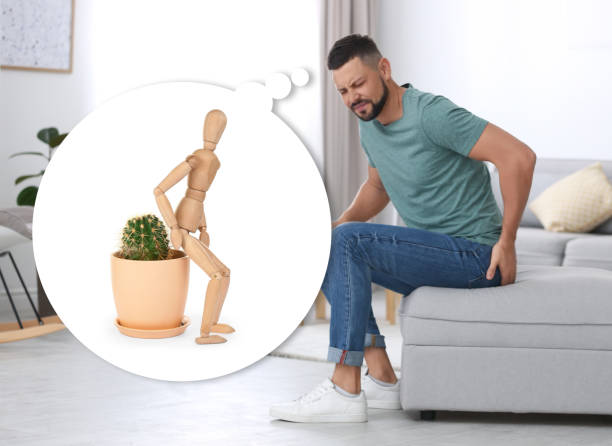
When most people hear the word “piles,” they instantly picture an adult struggling with pain or bleeding. Very few parents imagine that their child could face the same problem. But yes, it is possible. According to a peer-reviewed study published in the National Library of Medicine titled External hemorrhoidal disease in child and teenage: Clinical presentations and risk factors, hemorrhoids in children, though once considered rare, are now being reported more often, with constipation and family history showing up as the two biggest triggers. That report alone has opened up a conversation many Indian parents have been avoiding for years.
So if your child is crying while passing stool, or you have spotted a streak of blood on the toilet paper, please do not panic, but also do not ignore it. This blog will help you understand what is really going on, when to worry, and what options you have as a parent in India today.
Yes, they can. Piles, medically called hemorrhoids, are swollen veins inside or around the anus. While they are far more common in adults, children are not fully protected from them. In India, a lot of parents dismiss the problem because the word “piles” sounds adult to them. But paediatric surgeons and gastroenterologists have been flagging this for years.
The condition is genuinely less frequent in kids compared to adults, but when it does show up, it usually has a clear reason behind it. Ignoring those signs can turn a manageable issue into something that affects your child’s comfort for months.
The causes in children are usually a mix of lifestyle, diet, and sometimes genetics. Here are the most common reasons doctors see in Indian clinics.
This is by far the biggest culprit. When a child passes hard stools or has to strain every single time in the bathroom, the veins in the anal area face a lot of pressure. Over time, those veins can swell up. Indian diets that are low in fibre and high in processed snacks, maida, or fried food make this worse.
Many parents do not realise this, but frequent loose motions can also lead to piles. The anal muscles stay contracted for long periods, which raises pressure inside the anal canal. This is one of the newer findings that has changed how doctors look at paediatric piles.
Kids today use phones, tablets, or comics while sitting on the toilet seat. Long sitting puts continuous pressure on the pelvic region. Over weeks and months, this small habit can quietly trigger piles.
If one or both parents have had piles, the child carries a slightly higher chance of developing them too. Studies from paediatric surgery departments have noted family history as a consistent risk factor.
In a small number of cases, piles in a child can point to an underlying condition like portal hypertension or liver-related issues. These cases are rare, but they are the reason doctors always recommend a proper check-up instead of home guesses.
Children are not always able to describe what they are feeling. As a parent, you have to watch for small clues.
Any of these signs that stick around for more than a week deserve a doctor’s attention. You do not need to wait for the problem to “get big” before acting.
A paediatric specialist or an interventional radiologist usually starts with a gentle physical examination. In many cases, photographs shared by the parents also help confirm the diagnosis, since the swelling may come and go. The doctor may also ask about the child’s bowel habits, diet, and family history. Most of the time, no painful or invasive test is needed at this stage.
The good news is that treatment for children is almost always gentle, and surgery is rarely the first answer.
This is the foundation of treatment. More water, more fibre, more fruits, and less junk food can solve mild cases within a few weeks. Regular toilet habits and avoiding long sitting times also help a lot.
A warm water soak for ten minutes, two to three times a day, can calm the inflammation and ease pain. Most parents see visible improvement in a few days.
A doctor may prescribe mild creams or stool softeners, but only after examining the child. Please do not use adult piles of creams on children without medical advice.
For children with stubborn external hemorrhoids, a minor injection-based treatment may be suggested. It is safe, outpatient, and does not involve cutting.
In rare, severe cases, advanced non-surgical options are considered. These are the same techniques used in adults, modified for younger patients, and are done without cuts or general anaesthesia whenever possible.
You should not wait if:
Early medical attention almost always means faster recovery and less emotional stress for your child.
Piles in children are not shameful, not rare enough to ignore, and not something you need to fix at home alone. The earlier it is understood, the gentler the treatment can be. Most kids bounce back to normal within weeks once the root cause is handled.
For parents looking for a trusted, minimally invasive approach, Dr. Gaurav Gangwani, a leading interventional radiologist in Mumbai, offers advanced, safe, and scar-free piles treatment in Mumbai for patients of all ages. With a focus on pinhole procedures, local anaesthesia, and same-day discharge, the clinic has helped hundreds of families across India get clear answers and gentle recovery, without the fear of traditional surgery. Book an appointment today and give your child the comfort they deserve.
Piles can appear at any age, but they are more commonly reported in children between 5 and 14 years. Babies and toddlers can also develop them in rare cases, usually linked to prolonged constipation or straining.
Are piles in children dangerous?
In most cases, no. Paediatric piles usually respond well to diet changes and simple treatments. But persistent bleeding or pain should always be checked by a specialist.
Can piles in children go away on their own?
Mild piles often improve with better hydration, more fibre, and healthy toilet habits. Moderate or recurring cases usually need medical guidance.
Is surgery the only option if my child has piles?
Not at all. Surgery is very rarely needed in children. Most cases are managed with lifestyle support, creams, or non-surgical techniques like sclerotherapy.
Which doctor should I consult for paediatric piles in India?
Start with a paediatrician or a paediatric surgeon. For advanced or non-surgical options, an interventional radiologist like Dr. Gaurav Gangwani offers gentle, scar-free solutions tailored to each patient.
Dr. Gangwani Vascular Clinic, 302/TGN SQUARE 3rd floor Chandawarkar lane Borivali west Mumbai 400092
+91 9326195964
drgauravgangwani@gmail.com
Monday to Saturday: 8.30 am to 8.00 pm. For any quires & assistance please call on: +91 9082394787
Copyright 2026 – www.drgauravgangwani.com
Website Managed by SEO Discovery
WhatsApp us