

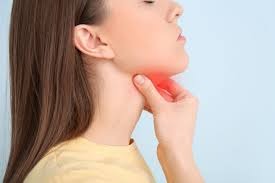
Thyroid cysts and thyroid nodules are common nowadays, often detected incidentally during health checkups or imaging performed for another indication. Although most of these thyroid findings are benign and benignly aggressive, they do lead to some discomfort, cosmetic complaints, or anxiety in the patients. Management of these conditions is now a highly specialist, minimally invasive arm of practice, providing essential treatment when surgery is not the preferred option.
In this blog, we will discuss some modern approaches to proper thyroid care, especially colloid cyst thyroid treatment and solitary thyroid nodule treatment. Expert evaluation can bring a significant contribution to the success of the outcome.
The thyroid is a small butterfly-shaped organ that lies in the front of your neck. It helps control metabolism, energy levels, and several essential body functions. Thyroid nodules are solid or fluid-filled lumps that develop within the gland; thyroid cysts are, by definition, nodules that are largely fluid-filled; hence, the two often go hand in hand.
Colloid cysts are one of the most common benign thyroid disorders. They typically arise from the accumulation of colloid material within thyroid follicles and are usually benign.
Accurate diagnosis is an essential step before undergoing thyroid colloid cyst treatment. While not all thyroid nodules require treatment, knowing which nodules do allows for avoiding unnecessary surgery and misery.
Diagnosis typically involves:
Ultrasound assists in assessing the size, morphology, cystic versus solid nature, and vascularity of the nodule or cyst. It helps the specialists choose the right treatment option.
Several guidelines for the management of thyroid nodules outline different methods of follow-up , as many small, asymptomatic thyroid nodules are observed over time. Treatment is usually recommended when:
Even for solitary thyroid nodules, the aim is to alleviate symptoms and maintain normal thyroid function.
Thyroid removal procedures have evolved markedly, with the inclusion of minimally invasive, image-guided methods for the removal of colloid cysts. For benign cysts, traditional surgery may not always be the correct answer, even though it works.
If a cyst is primarily fluid, ultrasound-guided fluid aspiration can be used to remove the fluid. It helps alleviate symptoms in the short term, though some individuals are prone to relapse.
Recently, there have been some minimally invasive options for treating recurrent or symptomatic colloid cysts. These are image-guided approaches that act on the cyst from within, shrinking it to spare patients the need for surgical excision of the thyroid.
But for solitary thyroid nodules that pose a special challenge, it calls for a meticulous strategy. As it is a single nodule, treatment is oriented toward precision rather than aggression.
Nodular specialists use multiple characteristics to determine whether a nodule is solid, cystic, or mixed. Benign nodules that cause symptoms are mostly treated with minimally invasive techniques that reduce their size and relieve organ compression-related complaints.
Such a targeted approach to treatment of a solitary thyroid nodule spares the patient a life-changing lifelong dependence on thyroid hormone replacement medications, which are often necessary to take every day for the rest of their life post-operatively.
A thyroid specialist leads the way in imaging and treatment decisions, based on clinical expertise, the individual patient, and the latest technology, rather than the cookie-cutter approach of traditional treatment.
Experts not only emphasise the removal or reduction of the cyst or nodule but also ensure the thyroid gland’s overall health.
There is usually a quick recovery period for patients who have undergone minimally invasive thyroid treatments. Patients typically resume their routine in a day or two. Most often results in mild discomfort or tenderness, which should resolve spontaneously.
Subsequent ultrasounds enable follow-up monitoring of the treated area and help ensure lasting success. It provides regular reassurance to the patient and can detect changes early.
In addition to alleviating the physical discomfort, proper colloid cyst thyroid treatment and solitary thyroid nodule treatment play a significant role in easing the anxiety a person has regarding thyroid lumps. Less invasive and without significant surgery, this helps build confidence, knowing that the condition has been contained, and enhances quality of life.
After treatment, patients frequently report feeling more comfortable, a better neck contour, and peace of mind.
Patients can achieve excellent results and a high quality of life with minimal disruption to their lives through accurate diagnosis, expert evaluation, and one of several advanced minimally invasive options.
If you prefer a more dedicated approach to thyroid, Dr Gaurav Gangwani has built a reputation for providing image-guided, minimally invasive procedures. Advancements in colloid cyst thyroid treatment and solitary thyroid nodule treatment, based on an understanding of the unique biology of thyroid lesions and on applying patient-centred approaches, now enable individuals to achieve LOUD (loud, lasting, and not damaging) cures while preserving their thyroid function and well-being.
Dr. Gangwani Vascular Clinic, 302/TGN SQUARE 3rd floor Chandawarkar lane Borivali west Mumbai 400092
+91 9326195964
drgauravgangwani@gmail.com
Monday to Saturday: 8.30 am to 8.00 pm. For any quires & assistance please call on: +91 9082394787
Copyright 2026 – www.drgauravgangwani.com
Website Managed by SEO Discovery
WhatsApp us