

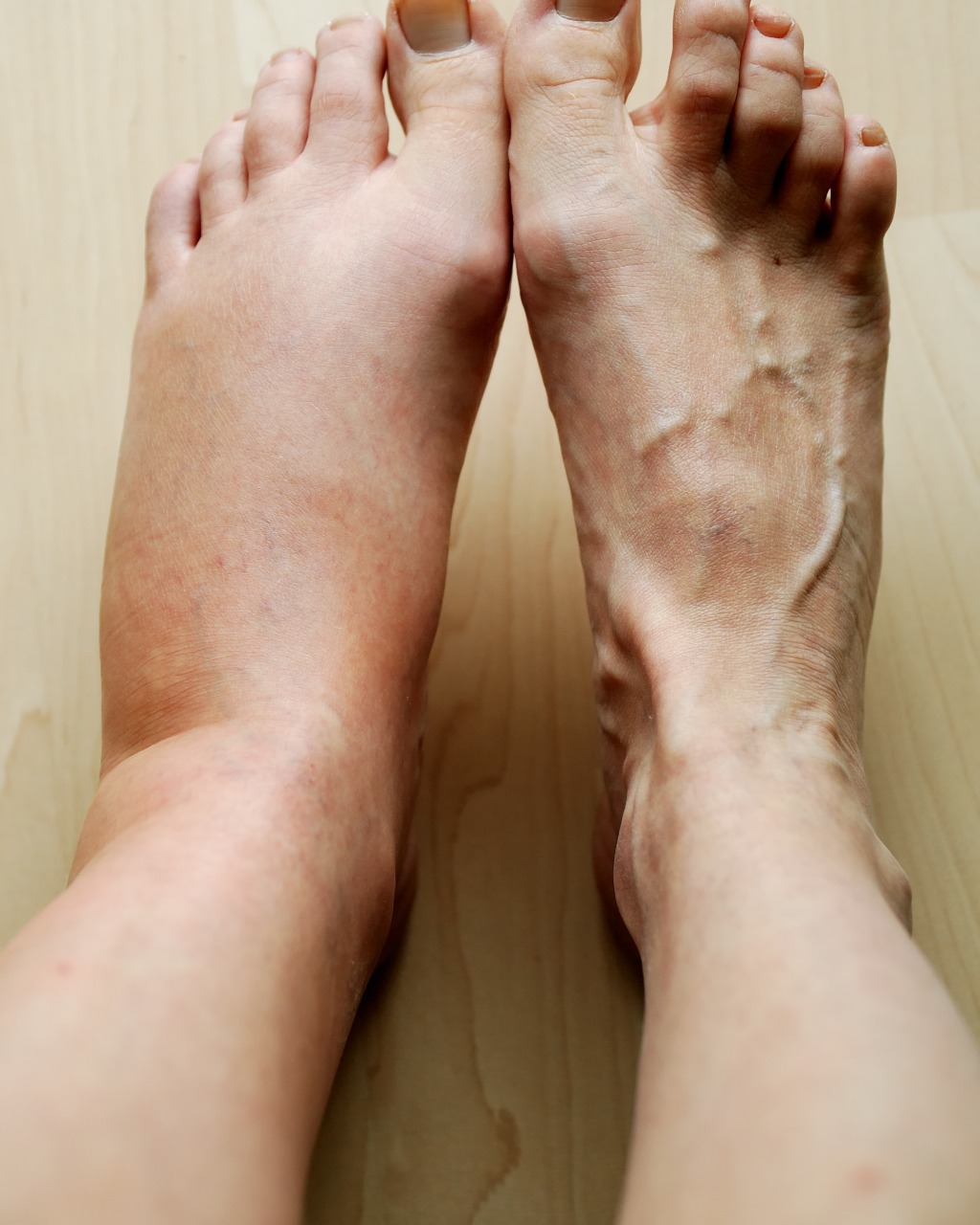
This guide identifies the essential clinical questions patients must ask to secure an accurate varicose veins diagnosis and effective treatment. It bypasses surface-level symptoms to focus on hemodynamics underlying causes and long-term vascular health outcomes.
Navigating a consultation for bulging, painful leg veins requires more than just pointing at a blemish it demands a structured inquiry into your specific venous hemodynamics to ensure the treatment plan addresses the root cause rather than just the visible branch. This blog provides a roadmap for your next appointment, ensuring you walk away with a comprehensive strategy for your vascular health.
According to the national library of medicine, varicose veins affect up to 30% of the US general population, with prevalence specifically rising to 23% in men and 30% in women. These figures highlight that venous disease is not a rare cosmetic fluke but a widespread medical condition that requires professional intervention.
Ignoring the nuances of your condition or settling for a “wait and see” approach often results in a nightmare of progressive complications. If you fail to demand a precise clinical assessment, you risk the onset of spontaneous bleeding, deep vein thrombosis, or permanent skin discoloration that no amount of late-stage surgery can fully reverse.
Many patients assume that if the veins aren’t causing excruciating pain, they are just an eyesore. This is a mistake. You need to know if there is underlying Chronic Venous Insufficiency (CVI). A doctor should explain if your symptoms, such as heaviness, aching, or swelling, qualify you for medically necessary intervention.
You cannot rely on a visual exam alone. Precision matters here. Ask if they use Color Duplex Ultrasound to map the blood flow. This test is the only way to see if valves are leaking deep beneath the skin surface.
Not every leg is suited for Endovenous Laser Ablation (EVLT). Some might require Radiofrequency Ablation (RFA) or Sclerotherapy.
| Feature | EVLT (Laser) | Sclerotherapy |
| Primary Use | Large saphenous veins | Spider/Small branches |
| Method | Thermal energy | Chemical injection |
| Recovery | 1-2 days | Immediate |
| Success Rate | ~98% | ~80-90% |
Don’t let a doctor gloss over this. Shatter the illusion that this is just aging. Ask about the “Nightmare” scenario: Venous Ulcers. These are open sores that refuse to heal because the blood pooling in your ankles is toxic to the surrounding tissue.
Experience leads to results. You aren’t just buying a procedure; you are buying the doctor’s hands. Ask how many thousands of cases they have handled.
The answer is almost always “yes,” but for how long? Some surgeons require 48 hours, others two weeks. Precision in post-op care is what prevents clotting.
No vascular doctor can promise 100% permanent results because your body is a living system. However, a professional should have a plan for “touch-up” treatments. If they act like veins can never return, find a more honest surgeon. Urgent intervention is better than perpetual revision.
Most modern procedures allow you to walk out of the clinic. But can you go to the gym? Can you fly on a plane? Get the specifics so your life isn’t disrupted.
Insurance companies have strict “conservative management” requirements. Usually, you must try compression stockings for 6-12 weeks before they pay for a procedure.
Generic stock photos are useless. You want to see the “Rough” reality of a healing leg versus the “Perfect” final result six months later.
How long does a varicose veins diagnosis take?
A comprehensive clinical evaluation, including a duplex ultrasound, typically takes between 30 to 45 minutes to accurately map the venous system.
Is a varicose veins diagnosis painful for the patient?
No, the diagnostic process is entirely non-invasive and painless, involving only a topical gel and an ultrasound probe moved across the skin.
Can I get a diagnosis while pregnant?
While a doctor can identify the presence of the condition during pregnancy, a formal treatment plan is usually deferred until several months postpartum.
What happens if a diagnosis is delayed?
Delaying an assessment allows venous hypertension to worsen, potentially leading to blood clots (thrombophlebitis) or permanent skin thickening (lipodermatosclerosis).
Does exercise help my vascular condition?
Low-impact exercise like walking improves the calf muscle pump, which assists blood return, though it cannot “cure” a vein that has already become varicose.
Dr. Gangwani’s Vascular Clinic offers sophisticated, patient-centric vascular care backed by rigorous clinical data. We move beyond generic protocols, ensuring every treatment plan relies on evidence to achieve optimal health outcomes. Personalized hemodynamic assessments allow for precise interventions, regardless of whether you are managing mild discomfort or severe skin complications. A definitive diagnosis remains the essential starting point for restoring mobility. Dr. Gangwani applies current global vascular standards to ensure every recovery plan is technically sound and clinically effective.
Book A Call Now.
Dr. Gangwani Vascular Clinic, 302/TGN SQUARE 3rd floor Chandawarkar lane Borivali west Mumbai 400092
+91 9326195964
drgauravgangwani@gmail.com
Monday to Saturday: 8.30 am to 8.00 pm. For any quires & assistance please call on: +91 9082394787
Copyright 2026 – www.drgauravgangwani.com
Website Managed by SEO Discovery
WhatsApp us