

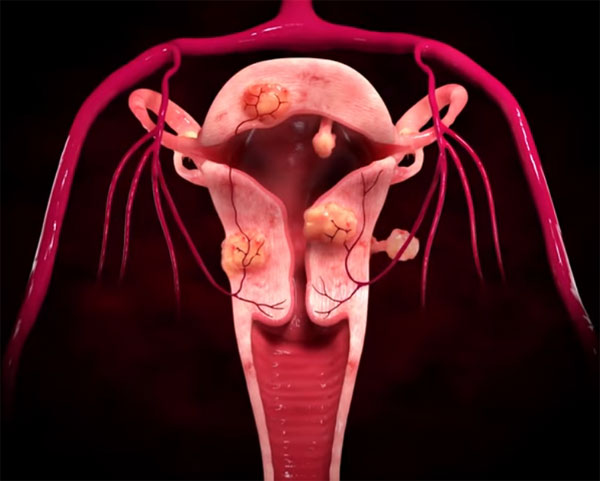
Are you always fighting heavy menstrual bleeding, persistent bloating, and crippling fatigue? These are daily struggles for many women. They are often caused by uterine fibroids. Uterine fibroids are common, non-cancerous growths in the uterus. Recent research highlights a significant burden. It estimates that 25% of US women with uterine fibroids seek medical attention for severe symptoms.
Fibroids are common. Still, the symptoms severely impact your quality of life. The good news is you have many options now. You do not need major surgery like a hysterectomy. Finding the most effective and best treatment for fibroids means understanding modern, minimally invasive alternatives. Dr. Gaurav Gangwani offers a path to quick relief and faster recovery.
Uterine fibroids are also known as leiomyomas. They are dense, muscular tumors. They grow within the uterine wall. Hormones often influence their growth. Estrogen and progesterone are key factors.
Symptom severity depends on the fibroids’ size, number, and location. Some women have no symptoms. For those who do, common complaints include:
These symptoms make work, exercise, and social life very challenging.
Treatment options range from medication to surgery. Modern medicine offers highly effective, non-surgical procedures. These give significant relief without a long recovery. This is where we excel.
The Traditional Approaches
We believe in treating complex conditions using the least invasive methods. This is the foundation of interventional radiology. For many women, the best treatment for fibroids is not surgery. It is a pinhole procedure called Uterine Artery Embolization (UAE).
Uterine Artery Embolization, also called Uterine Fibroid Embolization, is a breakthrough to traditional surgery. It is a minimally invasive treatment. A specialist in Interventional Radiology performs it.
The procedure is simple to grasp. Fibroids need a steady blood supply to grow. UFE stops this supply. This causes the fibroids to contract and die.
The doctor makes a tiny puncture. This is often in the wrist or groin. It is about the size of a pinhole.
The advantages of choosing uterine artery embolization are clear. They reflect our commitment to patient-centric care:
Our practice focuses on advanced, minimally invasive treatments. They truly transform lives. This commitment means prioritizing procedures that offer quick recovery. They cause minimal disruption to your life.
We specialize in advanced, image-guided techniques. This ensures your treatment is precise and targeted. Our expertise lets us offer effective alternatives to major surgery. We aim at preserving your well-being and organs. We always take the time to explain the process and the expected outcomes. A procedure like uterine artery embolization directly addresses your specific symptoms. Our main goal is to empower you with the right knowledge. This helps you choose the best treatment for fibroids. The treatment should align with your life goals. For complex conditions, we strive for simple solutions and quick recoveries.
Get Expert Guidance for Your Fibroid Treatment Today
Fibroids can drain your energy. They disrupt your daily routine. You do not have to live with constant pain. Modern care has changed fibroid treatment. Uterine artery embolization offers fast relief. It avoids major surgery. This procedure keeps your uterus safe. It also helps you recover quickly.
Choosing the best fibroid treatment should feel simple. It should be stress-free. You deserve clear guidance. You deserve expert care. Dr. Gaurav Gangwani offers safe relief. He uses advanced, minimally invasive methods.
To learn more about your options and our minimally invasive procedures, contact our office today.
1. What is the usual recovery time for UAE?
UAE is a minimally invasive method. It offers a quick recovery. Most women get back to normal life in 7 to 10 days. This is much faster than the weeks needed for major surgery.
2. Does Uterine Artery Embolization protect my ability to get pregnant?
UAE is a key option. It preserves the uterus, unlike a hysterectomy. This is a uterus-sparing procedure. You should still talk about future pregnancy plans with your doctor.
3. What makes UAE a better choice than a traditional myomectomy for fibroids?
UAE (or UFE) treats all fibroids at once. It uses a single pinhole, no matter its size or spot. Myomectomy is a surgery. Fibroids may grow back after it.
4. Besides heavy bleeding, what other symptoms does the best treatment for fibroids relieve?
UFE cuts off blood flow. This starves the fibroids and makes them shrink. This shrinkage greatly lowers pelvic pressure, chronic bloating, and frequent urination. These symptoms come from large fibroids pressing on other organs.
Borivali, Mumbai. India
+91 9326195964
drgauravgangwani@gmail.com
www.drgauravgangwani.com
Monday to Saturday: 8.30 am to 8.00 pm. For any quires & assistance please call on: +91 9326195964
WhatsApp us