

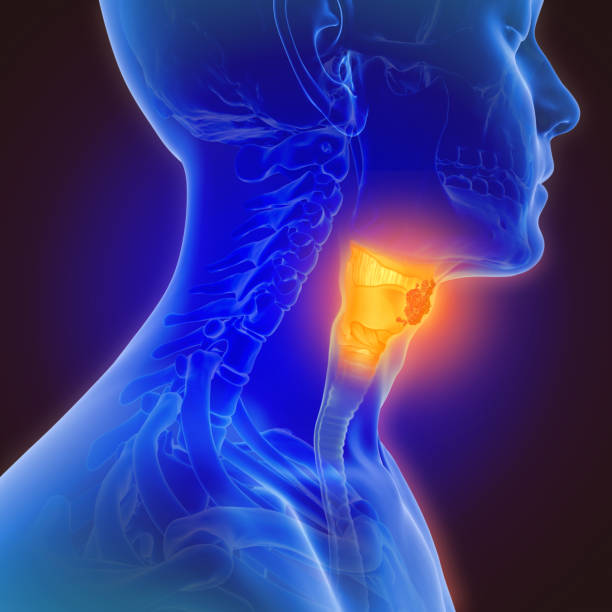
When doctors find a lump in someone’s thyroid, it happens more often than most people realize. About 6 out of every 100 women will develop these growths at some point, and men face them too, though less frequently. The good news? Nearly all of them turn out harmless. The tricky part? They can still make life uncomfortable and spark plenty of anxiety. If you’re dealing with a solitary thyroid nodule, you should know that medicine has moved well past only offering surgery as the answer. Thyroid ablation for thyroid nodules represents one of those breakthroughs that genuinely changes what patients can expect from treatment
Your thyroid gland is shaped like a butterfly and is at the base of your neck. When cells in this gland start to grow in an unusual way, nodules form. Sometimes cells inside this gland start multiplying when they shouldn’t, creating lumps we call nodules. These can show up solo or in clusters. Some feel solid, others contain fluid. Here’s something reassuring fewer than 5 in 100 will ever become cancerous. But even harmless ones deserve attention.
Living with a nodule isn’t always easy. Imagine trying to swallow when something’s pressing against your throat. That happens when nodules grow large enough to squeeze your esophagus. Breathing can feel restricted if they push on your windpipe. You might catch yourself in the mirror noticing an unusual bulge at your neck’s base. Voice changes sneak up on some people. Then there are nodules that go rogue, churning out excessive thyroid hormone and triggering a cascade of problems – sudden weight drops, heart palpitations, constant sweating.
Physical discomfort tells only part of the story. The mental weight of uncertainty – wondering if this lump might cause bigger problems down the road – genuinely affects people. When you combine actual symptoms with emotional stress, effective treatment becomes essential, not optional.
Standard thyroid surgery comes with a familiar routine: general anesthesia knocks you out, you wake up in a hospital, and surgeons have removed a chunk or all your thyroid. Radioiodine therapy flips that script entirely. Instead of removing tissue, doctors zero in on just the problematic nodule while your healthy thyroid tissue keeps doing its job.
The radiofrequency version, called RFA, has gained the most traction. Think of it like this – doctors thread a needle into the nodule and send controlled electrical energy through it. The heat generated kills abnormal cells but spares everything around them. Microwave ablation achieves similar results using different energy.
Here’s where it gets interesting. No hospital admission. No operating room. Many patients get this done at their doctor’s office or an outpatient center. You’re awake, just numbed up where the needle goes in. The doctor watches everything on an ultrasound screen, guiding a slim electrode right into the nodule. Energy pulses through in a deliberate pattern, covering every bit of the nodule while steering clear of nerves and blood vessels.
Let’s talk about something crucial – keeping your thyroid working. Traditional surgery often wrecks this. Patients end up hypothyroid, swallowing replacement hormones every single day for life. Studies peg the risk somewhere between 20-25%. Thyroid ablation slashes that number to maybe 5%, sometimes less. That’s not a small difference when we’re discussing your body’s ability to regulate itself naturally.
Scars bother people, and rightfully so. A surgical scar runs straight across the front of your neck where everyone can see it. Ablation leaves practically nothing – just a pinprick mark that fades fast.
Recovery time reveals another stark contrast. Surgery puts you out of commission for weeks. After Radioiodine ablation, most folks get back to their regular routine within 48 hours. The procedure itself wraps up in 20-40 minutes. You walk out that same afternoon.
Risk comparison? Ablation wins again. Serious complications crop up in less than 4% of cases, and most issues that do occur qualify as minor. Maybe some soreness where the needle went in. Possibly a temporary raspy voice. Occasional queasiness. These typically fade within days or a few weeks without doctors needing to intervene
The evidence lies in the post-treatment outcomes. Studies that follow patients show that nodules can shrink by 50% to 97%, which means they can get as small as half their original size or even go away completely. The bulk of this shrinkage happens fast, within the first month, though gradual improvement continues for up to a year.
Symptoms follow the same trajectory. Swallowing difficulties that plagued someone for months often ease within weeks. Visible bulges flatten progressively. Overactive nodules frequently calm down, bringing hormone levels back to normal without sacrificing the entire gland.
Long-term data paints an encouraging picture too. Nodules rarely come back, though it happens occasionally and might require a second treatment. The ability to safely repeat this procedure gives patients a safety net that surgery can’t provide once your thyroid’s been removed.
Radioiodine ablation particularly suits certain situations. People whose age or other health conditions make surgery risky finally have an option that doesn’t put them in an operating room. Folks who’ve decided against surgery for personal reasons aren’t stuck anymore. Anyone nervous about visible scarring or going under general anaesthesia can breathe easier.
The technique shines brightest for benign solid nodules causing either pressure symptoms or cosmetic worries. It also tackles nodules that produce too much hormone on their own. Current U.S. medical guidelines greenlight this approach mainly for benign cases, though research into treating certain small cancers continues.
Not everyone qualifies, though. Nodules that look suspicious or test positive for cancer usually need conventional treatment. Mostly fluid-filled nodules might respond better to different techniques. Pregnancy rules you out. So do certain medical implants like pacemakers.
Preparation matters, your doctor needs your full medical background, a thorough exam, bloodwork assessing thyroid function, and detailed ultrasound images. Critically important – you need at least two separate needle biopsies proving the nodule isn’t cancerous before proceeding.
On procedure day, you’ll lie back with your neck positioned comfortably. After cleaning the area, your doctor numbs it with local anaesthetic. You stay conscious throughout – talking, breathing, and swallowing normally all remain possible.
Using real-time ultrasound, your doctor slides the electrode into the nodule’s deepest part first, then systematically works outward, treating every section. This methodical approach guarantees complete coverage while protecting surrounding structures.
Afterwards, you rest briefly while staff monitors you, then head home. Regular pain relievers like ibuprofen handles any discomfort. Follow-up ultrasounds track shrinkage over subsequent months. Most physicians want to see you regularly through at least year one.
Learning you have a benign thyroid nodule means educating yourself on available paths forward.
Small nodules that don’t bother you typically only require regular checkups. However, once you notice symptoms or the nodule starts getting bigger, surgery isn’t your only choice.
Less invasive treatments offer a safe and effective way to handle single thyroid nodules without major surgery. The advantages are significant: your thyroid continues working properly, there’s barely any scarring, you bounce back quickly, and the procedure can be repeated if necessary. Many patients prefer these methods because they avoid the high risk of lifelong thyroid hormone deficiency that often comes with surgical removal.
Still, this isn’t something to decide on a whim. Thyroid specialists—whether endocrinologists or interventional radiologists—will examine your case, honestly explain what each treatment involves, and help you choose the approach that fits your situation best.
Modern progress in thyroid care shows how thyroid ablation can make treatment far easier for real patients.
Many troublesome thyroid nodules can now be managed in one quick outpatient visit instead of major surgery.
Patients often appreciate its strong track record for safety and good results. It’s becoming a popular option for those hoping to avoid unnecessary operations. Still, skill matters—these procedures require solid training and confident ultrasound guidance.
Borivali, Mumbai. India
+91 9326195964
drgauravgangwani@gmail.com
www.drgauravgangwani.com
Monday to Saturday: 8.30 am to 8.00 pm. For any quires & assistance please call on: +91 9326195964
WhatsApp us